Which report do you need?
| Report | Use it when | Core structure | Length |
|---|---|---|---|
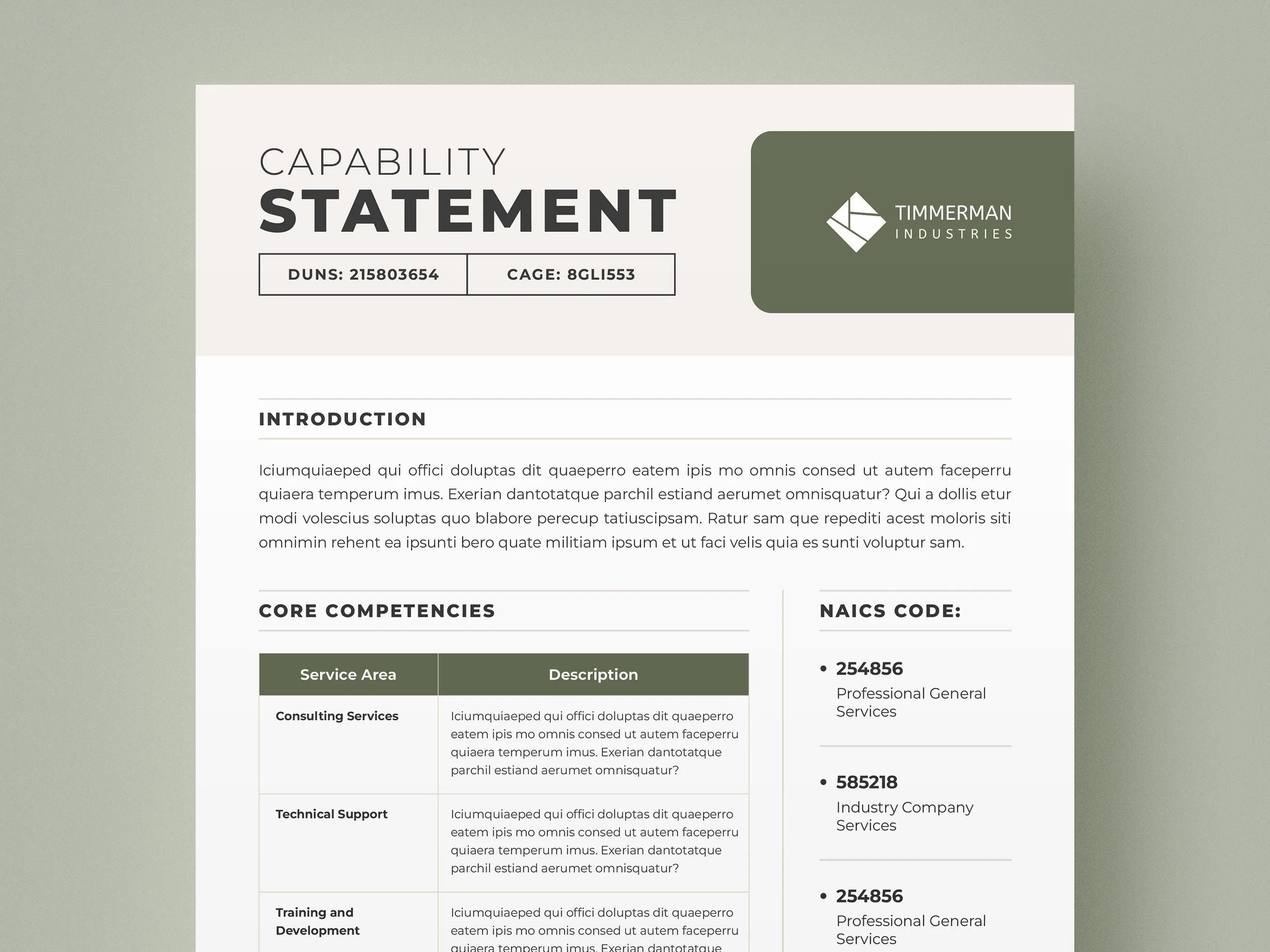
| Executive summary | A long document needs a stand-alone overview | Purpose → findings → recommendation → resources → next step | 1 to 2 pages |
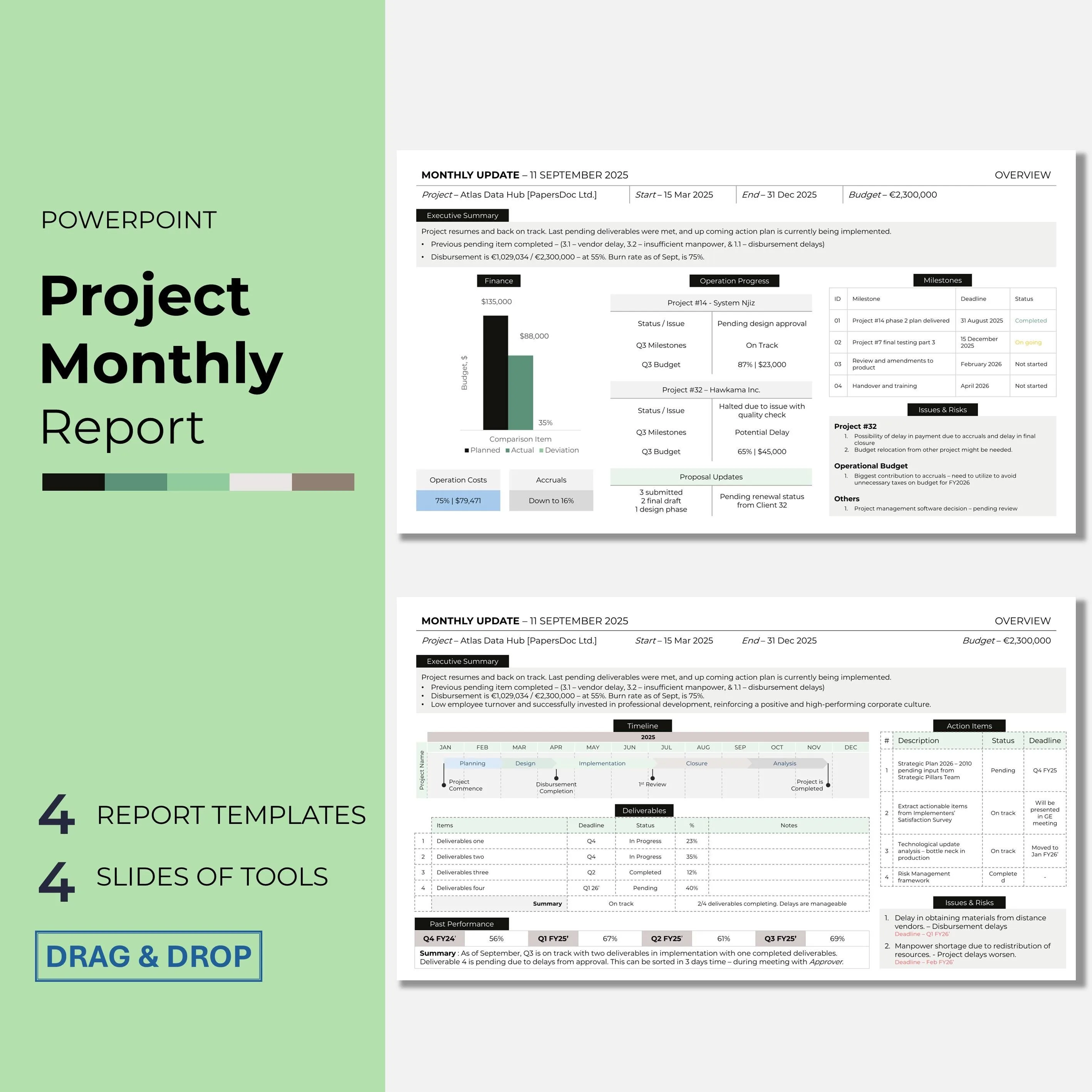
| Status report | Leaders need a regular update on progress | Status labels → progress → risks → decisions needed | 1 page |
| Analytical report | A question needs studying before a decision | Question → method → findings → recommendations | 5 to 20 pages |
| Root cause analysis | Something went wrong and must not recur | Incident → impact → five whys → root cause → fix | 2 to 4 pages |
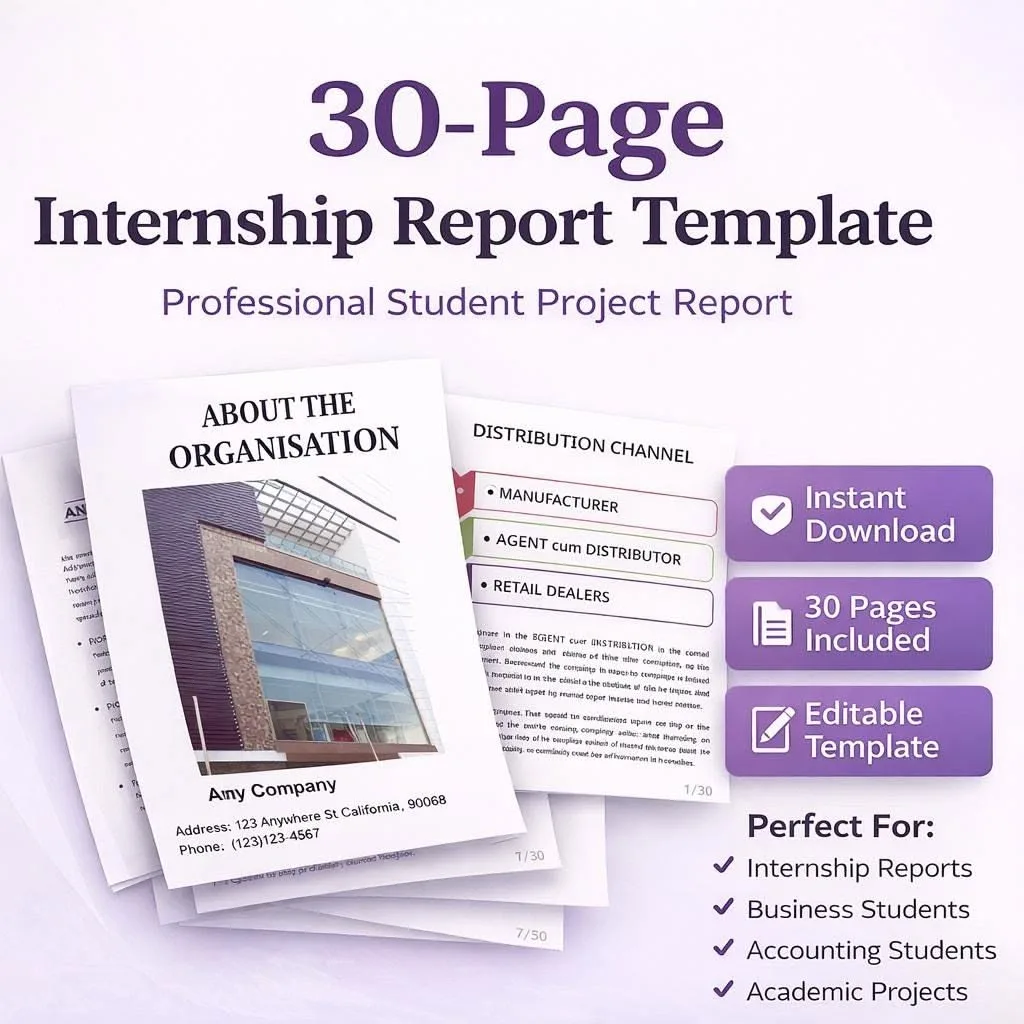
| Business report | Formal annual, research or feasibility reporting | Summary → introduction → findings → conclusions → appendices | 10 to 50 pages |
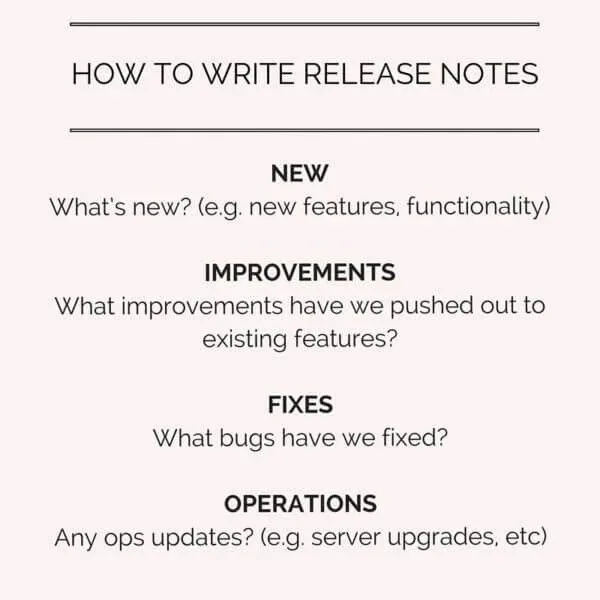
| Release notes | Users need to know what changed in a product | Version and date → new → improved → fixed → breaking changes | ½ to 1 page |
| Company announcement | News must reach the whole organisation | The news → why → what changes → timeline → who to ask | 300 to 500 words |
| Customer case study | A client’s success can persuade others | Client → challenge → solution → results → quote | 1 to 2 pages |
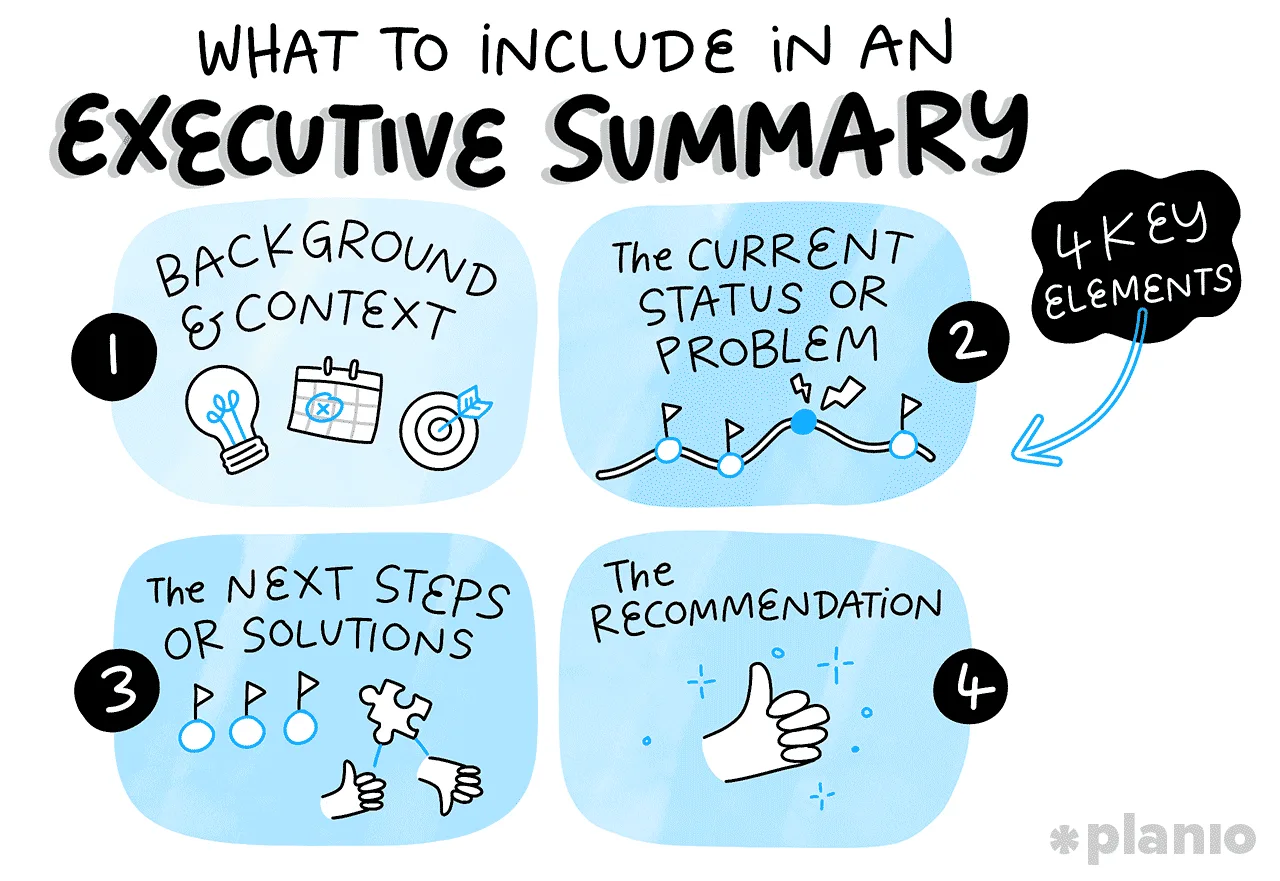
The executive summary in five parts
An executive summary is a short version of a longer document that must stand alone: a reader who sees only this page should still be able to decide. It is usually 5 to 10% of the full length, and you write it last.
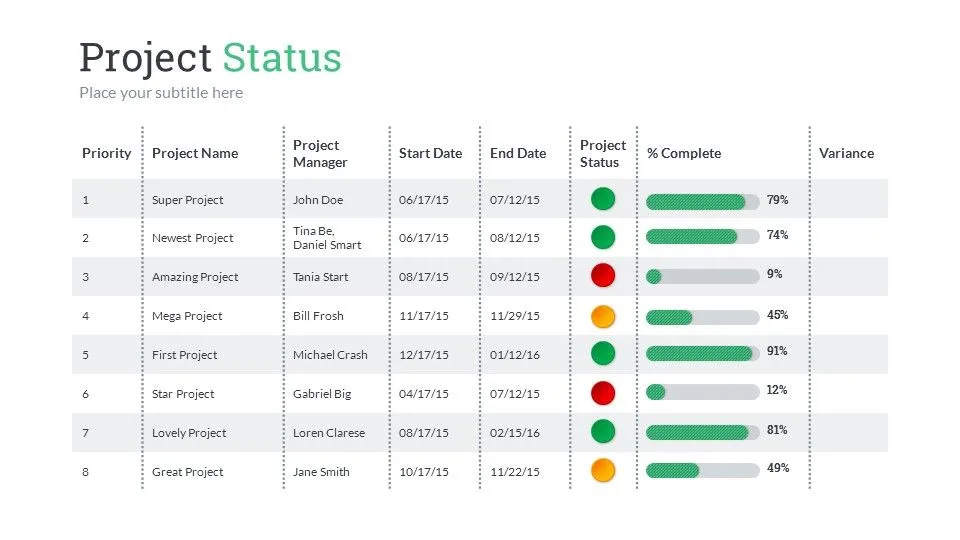
An executive status report on one screen
Executives read status reports to answer one question: does anything need me? Three sections, with a status label (a one-word rating such as on track or at risk) for each workstream, answer it in under a minute.
Root cause analysis: the five whys
A root cause analysis report explains why a problem happened so it never happens again. The five whys technique asks “why?” repeatedly until you reach a cause you can fix in a process, not in a person.
- Problem Four stores ran out of bread on Saturday 1 June.
- Why 1 Why? The Friday delivery was half the usual size.
- Why 2 Why? The order sent to the bakery used the previous week’s sales.
- Why 3 Why? The previous week included a bank holiday, when sales are lower.
- Why 4 Why? The ordering system does not adjust for holidays.
- Root cause Why 5 The weekly ordering checklist has no step for checking unusual weeks.
- Owner
- Each store manager
- Starts
- 10 June
- Review
- After 8 weeks
Choosing a chart or a table
Use a chart when the reader needs to see a pattern, and a table when they need exact numbers. Give every chart a title that states the finding, not just the topic.
| To show | Use | Title it like this |
|---|---|---|
| Change over time | Line chart | “Support tickets fell 30% after the new help pages” |
| Comparison between groups | Bar chart, sorted largest first | “North region leads on renewals” |
| Parts of a whole | Stacked bar, or a table if over five parts | “Two products make up 70% of revenue” |
| Exact figures to look up | Table | “Monthly costs by department, 2026” |
Recommendations that get approved
A recommendation is approved when the reader can say yes without asking anything else. Each one needs an action, an owner, a cost and a date. See analytical reports with recommendations for the full structure.
From finding to recommendation
An analytical report studies a question and recommends action. Each recommendation should rest on a finding, and each finding on evidence, so a reader can trace every “we should” back to a fact.
| Evidence | Finding | Recommendation |
|---|---|---|
| Customer survey, 1,200 responses, May 2026 | 64% of customers who left did so within the first 90 days. | Introduce a 90-day onboarding programme with weekly check-in emails. |
| Support logs, January to May 2026 | Setup questions make up 41% of support tickets. | Add an in-app setup guide, owned by the product team, by September. |
| Pricing analysis of five competitors | Our entry price is 30% above the market average. | Test a lower-priced starter plan in one region for three months. |
Guides on reports and summaries
11 guides · newest first