One piece of news, three audiences
A supplier delay pushes a launch back a week. Here is how to tell each person what they need to know.
Up · your manager Heads-up: the supplier has slipped, so launch moves from 5 to 12 June. Marketing is already adjusting. Can you confirm we keep the 12th rather than splitting the release? Headline firstShows what is already handledEnds with the one decision you need
Across · a coworker Hi Sam, launch is now 12 June because of a supplier delay. Could you move the training session to the 10th? Thanks for adjusting at short notice. The reason in one clauseA specific request with a dateThanks for the extra effort
Out · a client Dear Ms Reid, your new site will now go live on 12 June, a week later than planned, due to a supplier delay. Everything else stays as agreed. I’ll confirm the final time on 10 June. What changes for themWhat doesn’t changeWhen they’ll hear next
Choosing the channel
The more complex or sensitive the message, the richer the channel should be. Use writing for anything people need to find again.
| Channel | Best for | Choose something else for | Expected reply |
|---|---|---|---|
| Chat message | Quick questions, short updates, coordination | Bad news, feedback, anything long | Within hours |
| Decisions, requests with detail, anything to keep on record | Urgent issues, emotional topics | Within a working day | |
| Phone or video call | Sensitive news, untangling confusion fast | Detail people need to refer back to | Now; follow up in writing |
| Meeting | Decisions that need discussion among several people | Status updates that could be an email | At the meeting |
| Shared document | Plans, proposals, anything several people edit | Quick back-and-forth | By the review date |
Requests that get a yes
A request is easy to accept when the other person can see what you need, by when, and why it matters, all in the first few lines.
1 Context One sentence on what you are working on and why.
2 The ask Exactly what you need, phrased as a question.
3 The deadline When you need it, and the real reason for that date.
4 An easy out What to do if they can’t, so a no doesn’t stall the work.
Message to a colleague
1I’m finalising the Q3 board report.2Could you send me the updated sales figures for July and August?3I need them by Wednesday noon so finance can check them before Friday.4If they aren’t ready, the June figures will do and I’ll note it in the report.
Five conversations with your manager
Managing up means making it easy for your manager to support you: early news, clear options and a specific ask. Choose a situation for a script.
What to say “I want to flag something early. The supplier has slipped a week, so the launch moves from the 5th to the 12th. I’ve two options to recover some time, and I’d like your view on which to take.”
Why it works
✓The news comes first, before they hear it elsewhere✓Gives the exact impact in dates✓Arrives with options, not just a problem
Five ways to handle a disagreement
The Thomas-Kilmann model describes five conflict styles, set by how much you push for your own goal and how much you support the other person’s. Each one is right in some situations.
CompetingFirm on your position. Right for urgent safety, legal or ethical issues.
CollaboratingWorking out a solution that fully meets both needs. Right when the issue and the relationship both matter and there is time.
CompromisingEach side gives something. Right when a quick, fair split is good enough.
AvoidingPostponing the issue. Right when it is minor, or emotions need time to settle.
AccommodatingLetting the other person have their way. Right when it matters far more to them than to you.
Guides on workplace communication
9 guides · newest first
How to Structure a Professional Email That Gets RepliesA section-by-section guide to structuring professional emails that get replies, from subject line to a clear request and next step.Jun 28, 2026 · 5 min read

Emotional Intelligence at Work - Expert GuideComplete expert guide to emotional intelligence for working professionals. Self-awareness, self-management, empathy, and relationship management with real scenarios.Apr 6, 2026 · 17 min read
Building Rapport With Colleagues - Expert GuideComplete expert guide to building rapport with colleagues at work. Strategies for new hires, remote teams, cross-functional partners, and introverts with scripts.Apr 6, 2026 · 15 min read
Effective Communication With CoworkersExpert guide to peer communication at work: requests, feedback, boundaries, conflict, credit, and trust with scripts for common coworker situations.Apr 5, 2026 · 21 min read

Writing Clearly - Professional GuideExpert guide to clear professional writing: conciseness, word choice, sentence structure, active voice, revision passes, and reading aloud with examples.Apr 5, 2026 · 19 min read
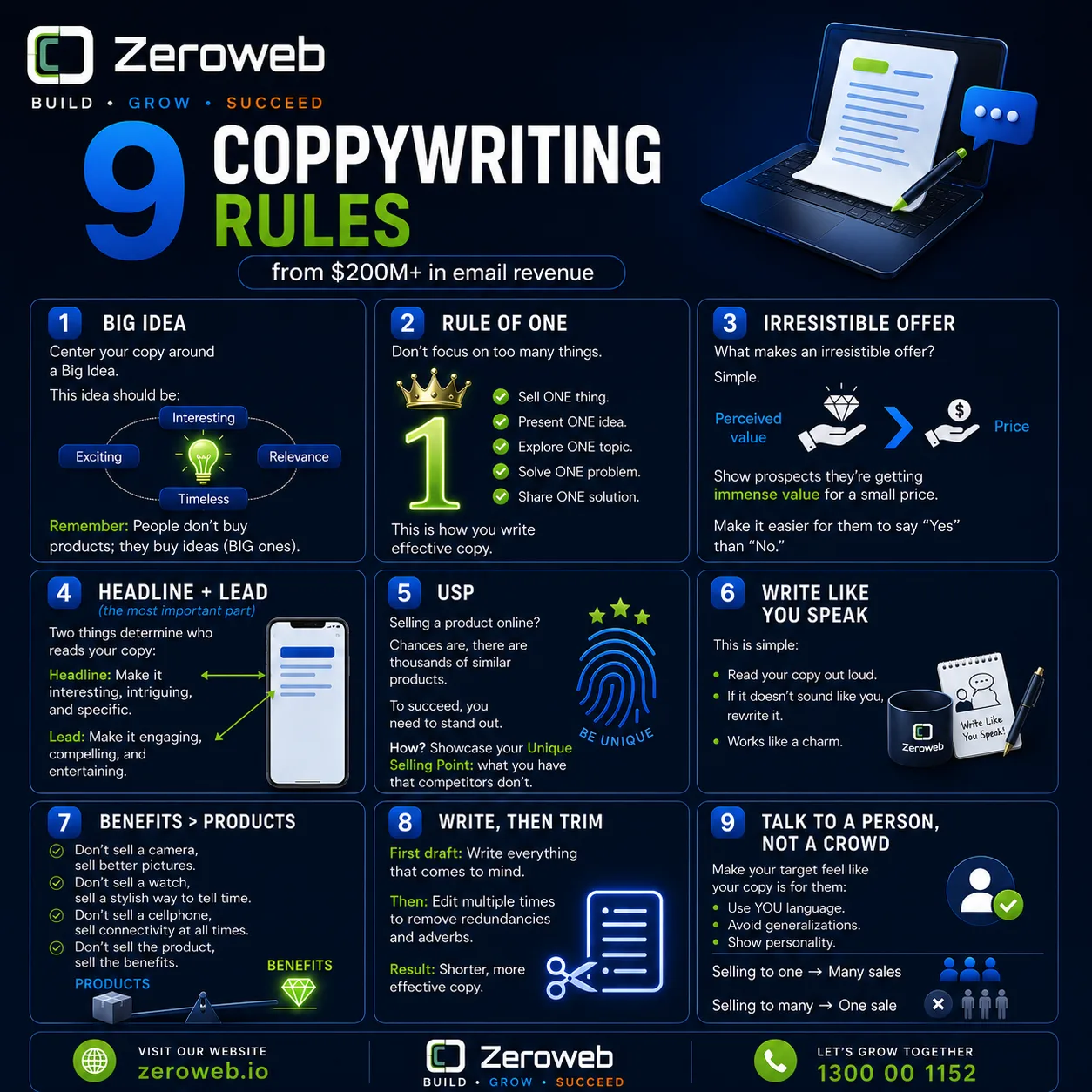
Clear Writing Rules From Professional EditorsComplete guide to clear professional writing with fifteen editor-proven rules, comparison tables, revision checklists, and language patterns that respect the reader.Apr 5, 2026 · 15 min read
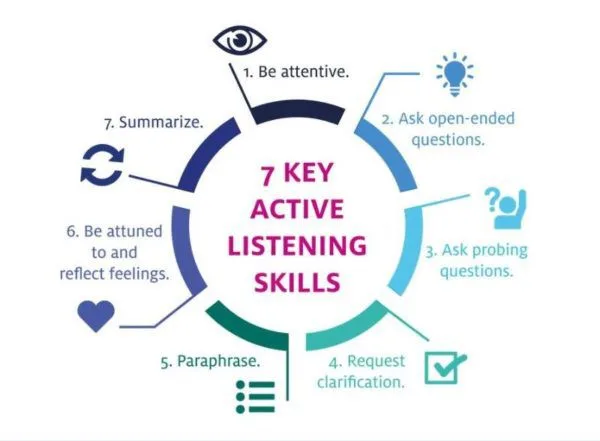
Active Listening - The Most Underrated Professional SkillEvidence-based guide to active listening covering Carl Rogers' person-centred approach, the HEAR framework, reflective listening techniques, cognitive barriers, and practice exercises for professionals.Mar 22, 2026 · 17 min read
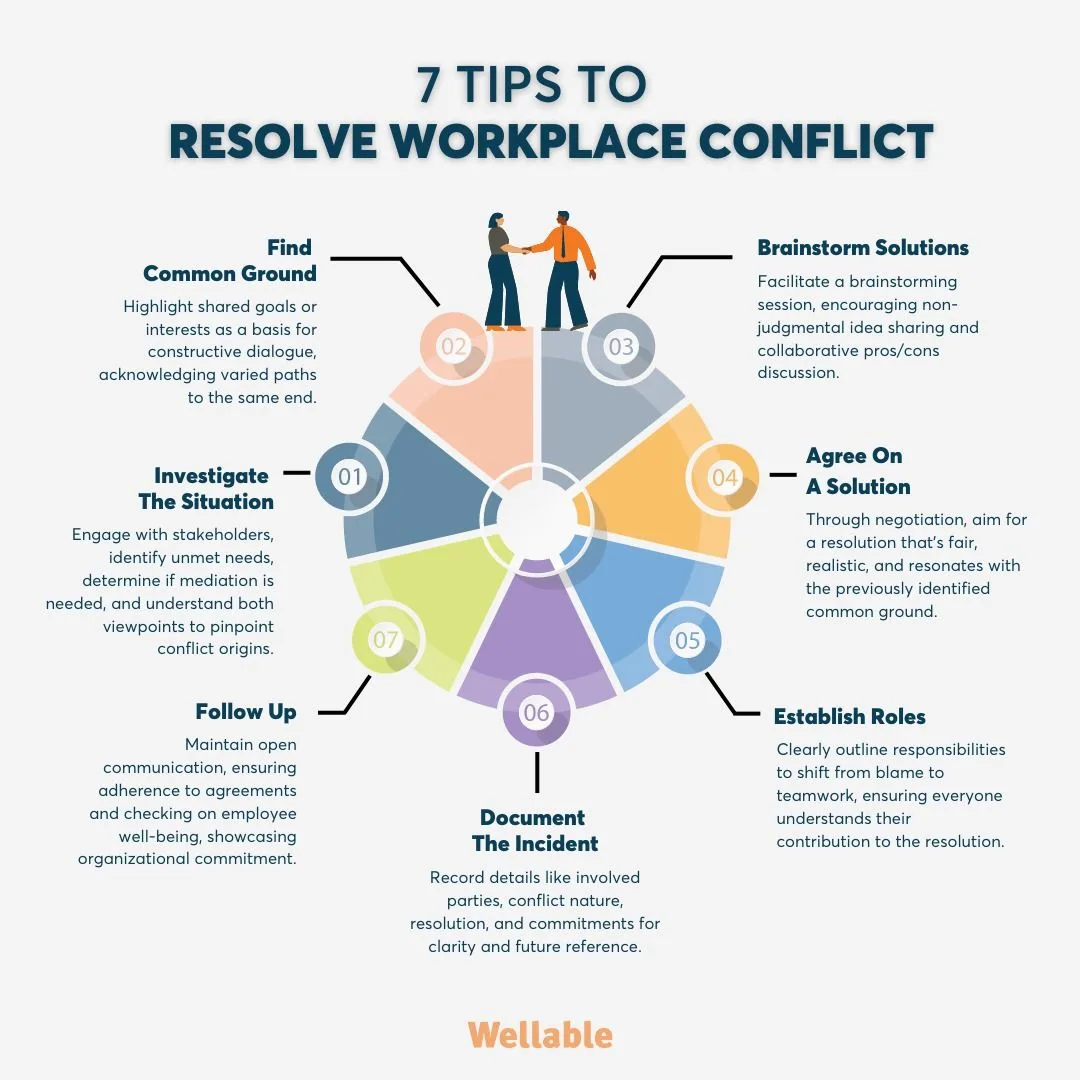
Conflict Resolution at Work - Strategies That Actually WorkProven conflict resolution strategies for the workplace. Thomas-Kilmann modes, mediation scripts, HR escalation, and prevention frameworks that actually work.Mar 20, 2026 · 22 min read

Effective Communication With Your BossLearn how to communicate with your boss effectively. Covers managing up, delivering bad news, requesting resources, disagreeing respectfully, and building trust.Mar 20, 2026 · 25 min read