Five ways to open
The first 90 seconds decide whether the room listens. Skip “Thanks for having me, today I’m going to talk about…” and start with one of these. Each example opens the same talk, on moving a team to a four-day week.
Choosing a structure
Pick the structure that matches what you want the audience to do. Each row shows the outline you would write.
| Structure | Use it to | Outline |
|---|---|---|
| Problem-solution | Win support for a change | The problemIts costThe solutionHow we do itThe ask |
| Chronological | Report on a project or explain a history | Where we startedWhat happenedWhere we areWhat’s next |
| Rule of three | Inform or teach | Main messagePoint 1Point 2Point 3Recap |
| Compare options | Help a group choose | The decisionOption AOption BCriteriaRecommendation |
| Story arc | Inspire or change minds | BeforeTurning pointAfterWhat it means for you |
SCQA: presenting to busy decision-makers
SCQA stands for Situation, Complication, Question, Answer. It gets a senior audience to your recommendation in four sentences, then you spend the rest of the time supporting it.
Slides that support you
The audience can read or listen, but not both at once. A slide should carry one idea that is quick to take in, so attention returns to you. Here is the same content as a document page and as a presentation slide.
Body and voice
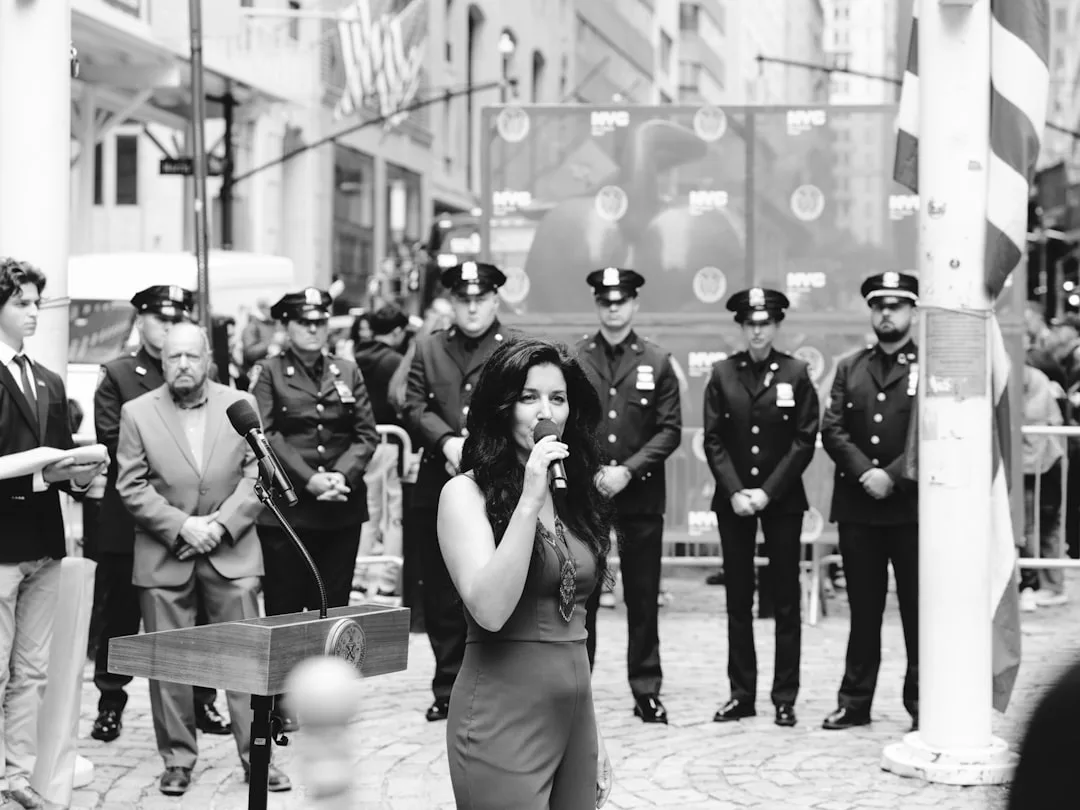
The audience reads confidence from how you stand and sound before they process a word. Practise these until they feel natural.
Answering hard questions
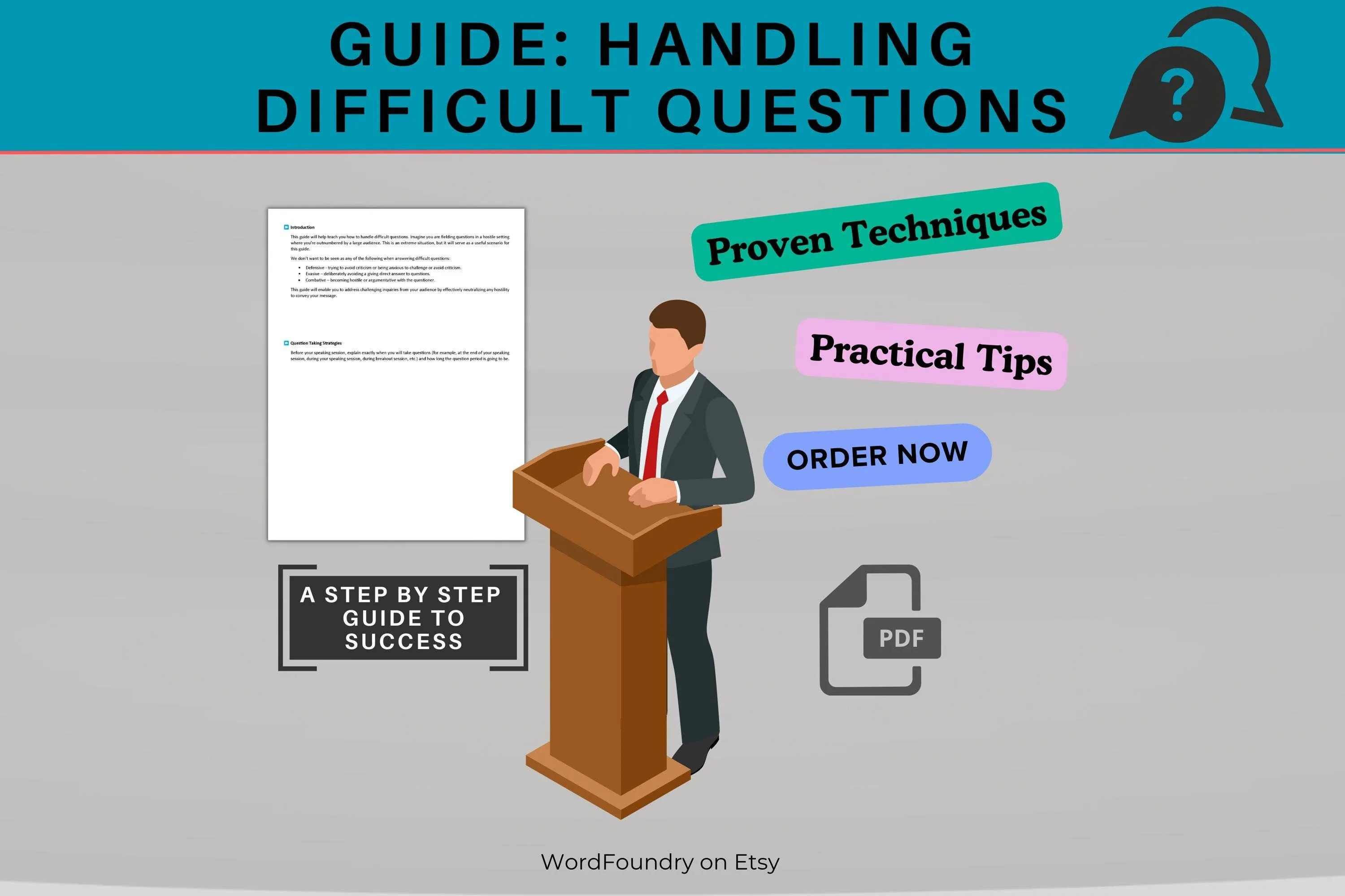
A hostile or tricky question is a chance to show you are in command of your subject. Four moves keep you steady.
- 1Listen to the endLet them finish, even if you know where it is going. Nod to show you heard.
- 2Restate it neutrallyRephrase the question without the hostile framing, so the whole room hears the real issue.
- 3Answer brieflyOne or two facts. A long answer sounds defensive.
- 4Return to your messageLink the answer back to your main point, then move on.
A plan for nerves
Nerves are normal, even for experienced speakers. Preparation spread over the week does more than anything you do on the day.
Guides on presentations
11 guides · newest first