Lena Novak, Analyst, Finance
Four formal letters
Each type has one element it cannot do without. Choose a type to read a complete letter and see that element highlighted.
Lena Novak, Analyst, Finance
An appeal, from decision to response
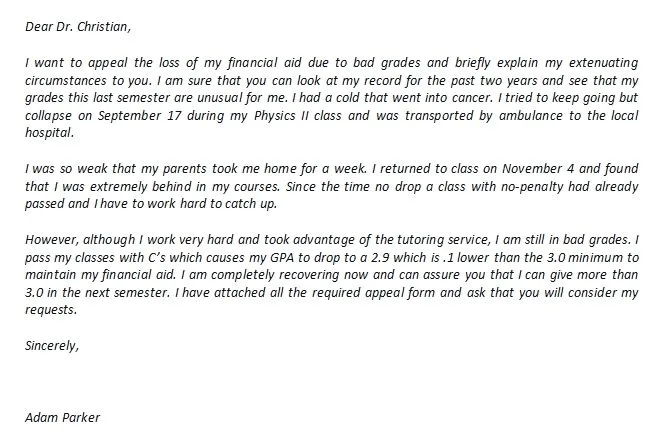
An appeal asks an organisation to reconsider a decision: a refused insurance claim, a parking fine, an exam result, a dismissal. Most have a strict deadline, so the steps start the day the decision arrives.
- Day 1 Read the decision closely Note the reason given, the reference number and the appeal deadline.
- Days 2 to 7 Gather evidence Reports, photos, policy clauses or records that answer the stated reason.
- Days 7 to 10 Write the appeal Decision, reason, your evidence and the outcome you want, in four paragraphs.
- Before the deadline Send it with proof Use recorded delivery or the official online form, and keep a copy.
- If refused Take the next step Ask for a final decision and refer it to the relevant ombudsman or tribunal.
Sponsorship: show what the sponsor receives
A sponsorship letter asks a business to fund an event, team or cause in return for visibility. Funded letters set out clear levels, so the sponsor can choose an amount and see exactly what it buys.
| Riverside 10K, 2026 | Bronze£1,000 | Silver£2,500 | Gold£5,000 |
|---|---|---|---|
| Logo on race shirts | Not included | Small, on the back | Large, on the front |
| Finish-line stand | Not included | Shared stand | Your own stand |
| Website and social media | Listed on the sponsors’ page | Logo and link | Logo, link and 3 dedicated posts |
| Free race entries | 2 | 5 | 15 |
| Mention in press release | Not included | Yes | Named as headline sponsor |
Block format, part by part
Block format is the standard layout for formal letters in the UK, US and most international organisations. Each part below matches a line in the diagram at the top of this page; the examples come from the appeal letter above.
| Part | Rule | Example |
|---|---|---|
| Your details | Your address (and phone or email) at the top left. No name here; it goes under the signature. | 14 Elm Road, Bristol BS6 7TR · 07700 900123 |
| Date | One blank line below your details. Write the month as a word. | 24 May 2026 |
| Recipient | Name, job title, organisation and address, as on their own letterhead. | Claims Review Team, Shield Insurance, PO Box 88, Bristol BS2 0ZZ |
| Subject line | One line in bold or with “Re:”, including any reference numbers. | Appeal against claim decision: policy SH-204417 |
| Salutation | “Dear” plus title and surname, or a team name. A comma after it in British English, a colon in American. | Dear Claims Review Team, |
| Body | Three to five short paragraphs, no indents, one blank line between them. Purpose first, request last. | I am writing to appeal your decision of 20 May 2026… |
| Closing | Matches the salutation (see the next section), followed by a comma. | Yours faithfully, |
| Signature and name | Handwritten signature on paper, then your typed full name and, if relevant, your role. | Daniel Osei |
| Enclosures | Below the name, list anything attached so the reader can check it arrived. | Enclosed: plumber’s report, 4 photos, decision letter |
Dates follow the reader’s country: “20 May 2026” in the UK, “May 20, 2026” in the US. Writing the month as a word avoids confusion between 05/06 and 06/05. The request letter format guide shows the same layout filled in for six different requests.
Matching the greeting to the sign-off
In British English the salutation (the greeting line) decides the closing (the line before your signature). If you know the reader’s name, close with “Yours sincerely”; if you don’t, close with “Yours faithfully”. American English uses “Sincerely” for both.
Use the title the person uses themselves: “Ms” when you don’t know a woman’s preference, “Dr” or “Professor” where it applies, and the full name (“Dear Sam Taylor”) when you can’t tell which title fits. The authorisation letter guide uses “Dear Sir or Madam” throughout, because bank and office letters usually go to a department rather than a named person.
Everyday wording and its formal equivalent
Register means the level of formality in your wording. Formal letters use full forms (“I am”, not “I’m”), complete sentences and neutral verbs. They stay plain: formal does not mean long or old-fashioned.
The appeal letter above shows the register at work: “However, the enclosed report confirms…” challenges the insurer firmly without a single emotional word. For the full set of appeal phrases, from opening to escalation, see the appeal letter guide.
Sending a formal letter by post or by email
Most formal letters now travel as email. The content stays the same; what changes is where the details sit.
Sponsorship requests are the one case where sending both helps: an email to start the conversation, with the full letter and sponsorship levels attached as a PDF. The sponsorship letter templates include a short cover email for exactly this.
Guides on formal letters
4 guides · newest first