I managed Aisha Rahman as a Customer Success Lead at Corvo Software from March 2022 to May 2026.Aisha looked after 45 business accounts and kept 96% of them renewing each year, the highest rate on our team. When our largest client threatened to leave in 2025, she rebuilt their onboarding herself and won a two-year extension.She is reliable, calm under pressure and generous with colleagues. I would rehire her without hesitation.Please contact me on 0161 496 0789 if you would like to discuss her work.
Kind regards,
Tom Fielding, Head of Customer Success Credibility patterns
A reference is believed when the reader can see why the writer is qualified to judge. These four patterns carry most of that weight. Fill in the brackets with your own facts.
How long and in what capacity I have known [name] for [time] as their [relationship]. e.g. “I have known Thomas for eleven years as his former head teacher and neighbour.”
What you saw first-hand I have seen [name] [specific action] on [occasion]. e.g. “I have seen him volunteer every Saturday at the food bank since 2019.”
A consistent pattern In all that time, [name] has always [quality shown through action]. e.g. “In all that time, he has always kept his promises to the families he supports.”
Your confidence, stated plainly I am confident that [name] [specific future behaviour]. e.g. “I am confident he will meet every condition the court sets.”
Three professional references
The writer’s relationship to the candidate changes what they can credibly say. Choose who is writing.
What this writer can speak to Daily work, measurable results and whether they would hire the person again. A manager’s “I would rehire” is the sentence employers look for. Professional reference letter templates →
Saying no to a reference request
If you cannot write a strong reference, it is kinder to say so than to write a weak one. Decline quickly and suggest someone better placed.
“Thank you for asking. I don’t think I worked closely enough with your client projects to give the detailed reference this role deserves. Ana Silva supervised that work and would be a stronger choice.”
Keeping it factual
A reference can be shared with the person it describes, so write only what you can support. Many employers give only dates and job title for that reason. The reference letter guide covers both kinds.
- Dates of employment and job title, checked against records
- Strengths backed by a result or a number
- A copy kept on file, in case the person asks to see it
- Nothing about health, family or personal life
A character reference for court
A character reference for court is read by a judge or magistrate before sentencing (the decision on a penalty). Its purpose is to show who the person is beyond the offence. It is formal, factual and addressed to the court.
- 1 Who you areYour name, occupation and any role that adds weight, such as teacher or employer.
- 2 How you know themHow long, in what setting, and how often you see them.
- 3 That you know of the offenceThe court needs to know you are writing with full knowledge of the charge.
- 4 Their character, with examplesSpecific acts of honesty, care or responsibility you have seen.
- 5 Their response and futureRemorse they have shown, and the support around them now.
Re: Thomas Hale, case no. T20260412 Your Honour,
1My name is Margaret Ellis, and I was head teacher of St Anne’s Primary School for 22 years until my retirement in 2024.2I have known Thomas Hale for eleven years, first as the parent of a pupil and since 2019 as a fellow volunteer at Eastgate Food Bank.3I understand that Thomas has pleaded guilty to driving without insurance, and I write with full knowledge of that charge.4Every Saturday for five years, Thomas has collected donations in his own van, often in the early morning. Last winter he organised deliveries to 30 elderly residents who could not leave their homes.5He has told me how deeply he regrets this offence, and he has since arranged insurance and repaid the other driver. I believe he will not appear before the court again.
Yours faithfully,Margaret Ellis, Retired Head Teacher
Forms of address vary by country and court: “Your Honour” in many English-speaking courts, “Dear Judge [Surname]” in most US courts. Ask the person’s lawyer which to use, and send the letter through them.
Character reference letter for court template →Guides on reference letters
4 guides · newest first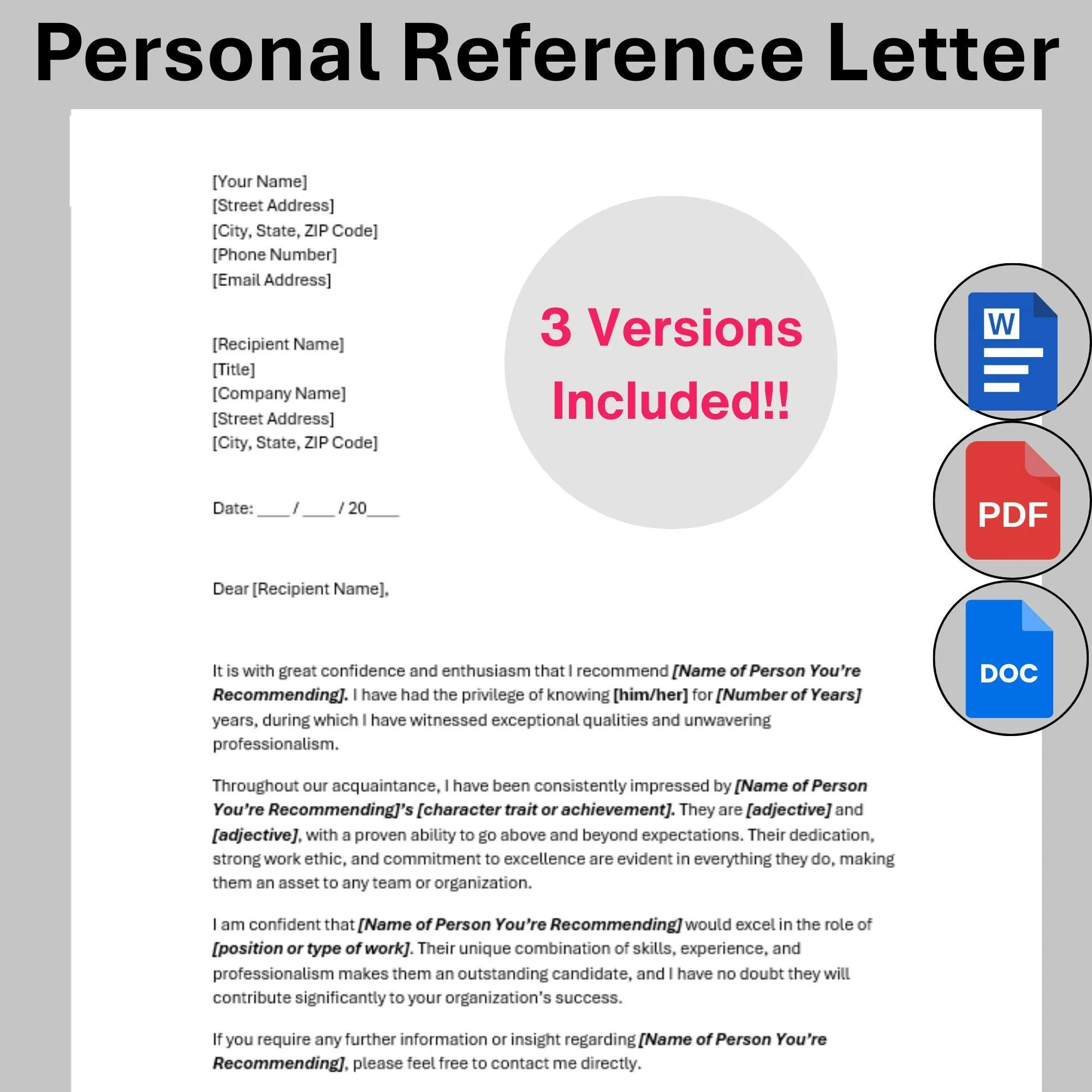
Professional Reference Letter Templates for Any RoleFour-section reference letter structure, credibility language patterns, and three full templates for direct manager, executive, and character references.Apr 23, 2026 · 13 min read
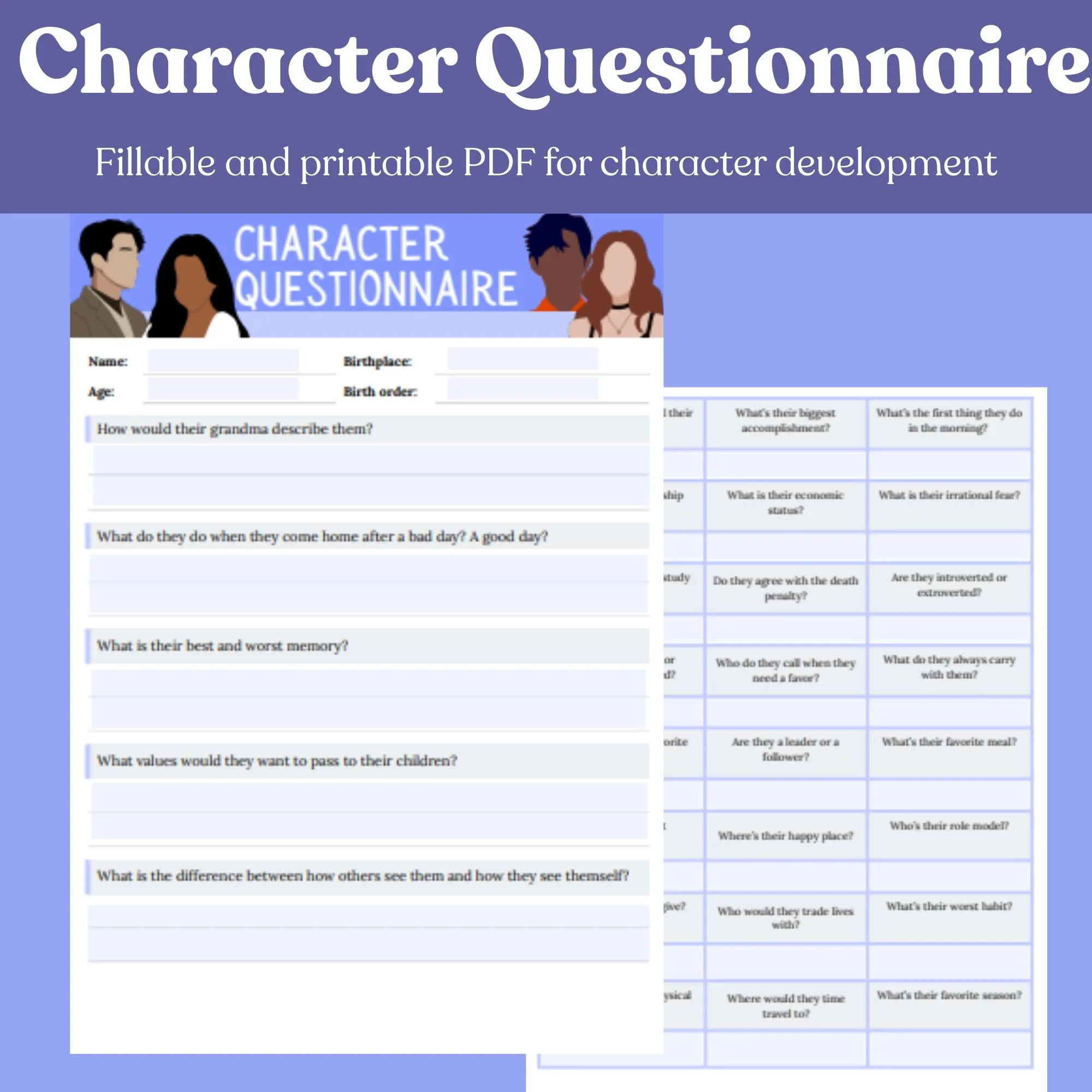
Character Reference Letter for Court TemplateCharacter reference letter templates for court with five-part framework, sentencing and probation formats, and language that works in legal contexts.Apr 14, 2026 · 13 min read

Character Reference Letter - 10+ Personal Templates10+ character reference letter templates for court, immigration, landlord, adoption, licensing, and other personal reference needs. Formal, specific, and professional.Apr 13, 2026 · 20 min read

Reference Letter Guide: Writing and Requesting TipsExpert guide to writing and requesting reference letters with 10 professional templates. Covers manager, colleague, academic, character, and employment references.Apr 1, 2026 · 27 min read