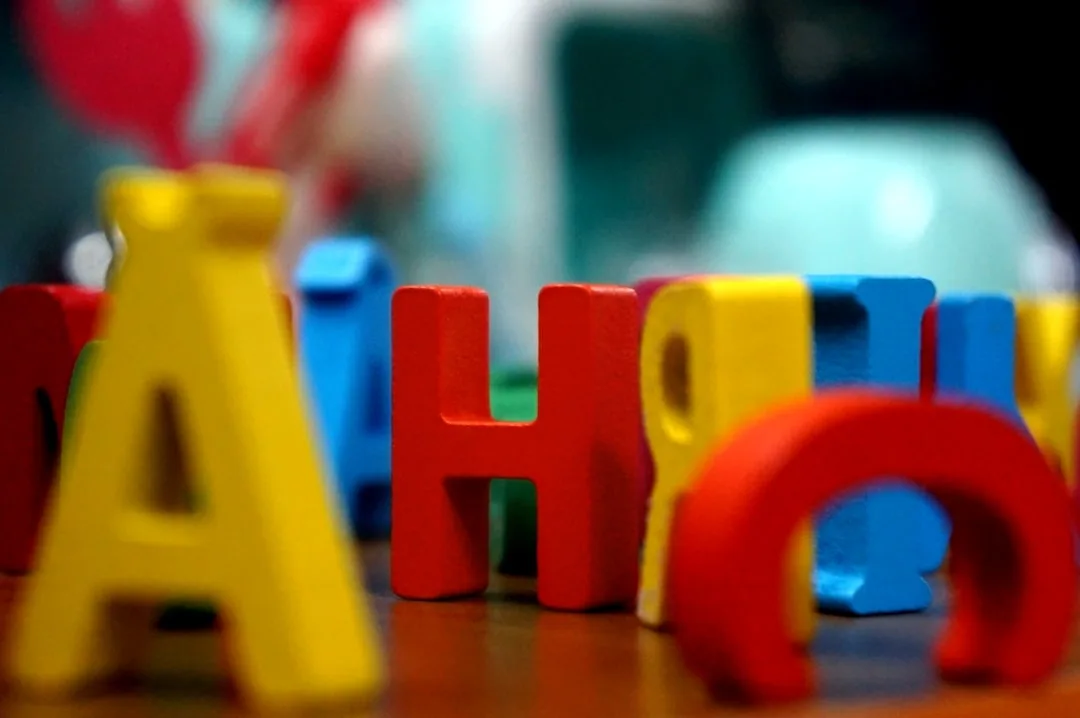
The Ukrainian alphabet is a Cyrillic-based writing system of 33 letters used to write the Ukrainian language, an East Slavic language spoken primarily in Ukraine and among Ukrainian communities worldwide.
Although Ukrainian shares the Cyrillic script with Russian, Belarusian, Bulgarian, Serbian, and other languages, the Ukrainian alphabet is a distinct inventory that reflects the specific phonology of Ukrainian. Learners who already know the Russian alphabet will recognize most letters, but they will also encounter four letters that Russian does not have (і, ї, є, ґ) and will need to unlearn four letters that Russian has but Ukrainian does not (ы, ё, ъ, э).
The sound values of several shared letters also differ, most famously the letter г, which represents a voiced glottal or velar fricative /ɦ/ in Ukrainian, not the stop /g/ of Russian.
This reference provides a letter-by-letter guide to the Ukrainian alphabet with pronunciation, transliteration, and examples. It is organized to help three kinds of learners: absolute beginners who are meeting Cyrillic for the first time, English speakers who want a systematic introduction, and learners of Russian who need to pivot specifically to Ukrainian.
Throughout, we point out where Ukrainian differs from Russian so that you do not carry over habits that would mark your Ukrainian as Russified. We also cover the apostrophe, which is a punctuation mark with phonological function in Ukrainian (unlike the soft sign Ь, the apostrophe is not a letter, but it changes pronunciation in predictable ways).
Ukrainian is not a dialect of Russian; it is a sister language. Treat the alphabet and its values on their own terms. Once you internalize the full 33-letter inventory, you will read Ukrainian signs, menus, street names, and news headlines, and you will be ready to move into Ukrainian phonology, morphology, and syntax.
The Ukrainian Alphabet: All 33 Letters
Table 1: Complete Ukrainian Cyrillic Alphabet
| # | Upper | Lower | Name | Transliteration | IPA | English Approximation |
|---|---|---|---|---|---|---|
| 1 | А | а | а | a | /a/ | "a" as in "father" |
| 2 | Б | б | бе | b | /b/ | "b" as in "book" |
| 3 | В | в | ве | v | /w/, /v/ | "w" in "water" or "v" in "voice" |
| 4 | Г | г | ге | h | /ɦ/ | voiced "h" as in "ahead" |
| 5 | Ґ | ґ | ґе | g | /g/ | "g" as in "go" |
| 6 | Д | д | де | d | /d/ | "d" as in "dog" |
| 7 | Е | е | е | e | /ɛ/ | "e" as in "bet" |
| 8 | Є | є | є | ie, ye | /jɛ/ | "ye" as in "yes" |
| 9 | Ж | ж | же | zh | /ʒ/ | "s" as in "pleasure" |
| 10 | З | з | зе | z | /z/ | "z" as in "zoo" |
| 11 | И | и | и | y | /ɪ/ | "i" as in "bit" |
| 12 | І | і | і | i | /i/ | "ee" as in "see" |
| 13 | Ї | ї | ї | i, yi | /ji/ | "yi" as in "Yiddish" |
| 14 | Й | й | йот | i, y, j | /j/ | "y" as in "boy" |
| 15 | К | к | ка | k | /k/ | "k" as in "key" |
| 16 | Л | л | ел | l | /l/ | "l" as in "lamp" |
| 17 | М | м | ем | m | /m/ | "m" as in "map" |
| 18 | Н | н | ен | n | /n/ | "n" as in "note" |
| 19 | О | о | о | o | /ɔ/ | "o" as in "more" |
| 20 | П | п | пе | p | /p/ | "p" as in "post" |
| 21 | Р | р | ер | r | /r/ | trilled r |
| 22 | С | с | ес | s | /s/ | "s" as in "sun" |
| 23 | Т | т | те | t | /t/ | "t" as in "top" |
| 24 | У | у | у | u | /u/ | "oo" as in "food" |
| 25 | Ф | ф | еф | f | /f/ | "f" as in "fact" |
| 26 | Х | х | ха | kh | /x/ | "ch" as in Scottish "loch" |
| 27 | Ц | ц | це | ts | /ts/ | "ts" as in "cats" |
| 28 | Ч | ч | че | ch | /tʃ/ | "ch" as in "church" |
| 29 | Ш | ш | ша | sh | /ʃ/ | "sh" as in "ship" |
| 30 | Щ | щ | ща | shch | /ʃtʃ/ | "shch" as in "fresh cheese" |
| 31 | Ь | ь | м'який знак | ' | soft | softens preceding consonant |
| 32 | Ю | ю | ю | iu, yu | /ju/ | "yu" as in "you" |
| 33 | Я | я | я | ia, ya | /ja/ | "ya" as in "yard" |
The Ukrainian alphabet has 33 letters. The apostrophe ( ' ) is not a letter but a phonological marker. There is no hard sign Ъ ("tvyordy znak") in Ukrainian; its separating function is performed by the apostrophe.
What Ukrainian Has That Russian Does Not
Four Ukrainian letters have no counterpart in the modern Russian alphabet. When you see any of these letters, you are definitely reading Ukrainian (or a closely related language such as Rusyn). These letters are not stylistic variants of Russian letters; they mark phonemes that behave distinctly.
І і (ee) - A pure front close vowel /i/, like English "ee" in "see." This is the letter that does most of the work Russian и does, but the sound is tenser and clearer. Example: місто (misto) = city; книга (knyha) = book (note: not кныга).
Ї ї (yi) - Pronounced /ji/, like saying "yee." This digraph-like letter contains the glide /j/ followed by /i/, so it always sounds palatalized. Example: Україна (Ukraina) = Ukraine; їсти (yisty) = to eat; твої (tvoyi) = yours (plural).
Є є (ye) - Pronounced /jɛ/, the iotated version of e. Ukrainian е is /ɛ/ (unpalatalized), and є is /jɛ/ (palatalized). Example: Європа (Yevropa) = Europe; моє (moye) = mine (neuter); є (ye) = is/are.
Ґ ґ (g) - The voiced velar stop /g/. This letter is rare and mostly appears in borrowings and a few native words. Example: ґанок (ganok) = porch; ґрунт (grunt) = soil; ґудзик (gudzyk) = button.
The letter ґ was banned during the Soviet period and restored in 1990. Many Ukrainian speakers today use ґ only in a handful of words; dictionaries disagree about the complete list, but ґрунт, ґанок, ґудзик, and a few dozen others are universally accepted.
What Russian Has That Ukrainian Does Not
Ы ы - Russian's hard "y" vowel does not exist as a letter in Ukrainian. Where Russian writes ы, Ukrainian typically writes и (which in Ukrainian has the value /ɪ/, closer to English "bit"). Russian сыр (syr, cheese) corresponds to Ukrainian сир. Do not write ы when writing Ukrainian.
Ё ё - The Russian iotated o does not exist in Ukrainian. Its sound combinations are written as ьо or йо. Russian ёлка (yolka, fir tree) corresponds to Ukrainian ялинка (yalynka), though the word itself is different.
Ъ ъ - The Russian hard sign does not exist in Ukrainian. Its separating function is performed by the Ukrainian apostrophe.
Э э - The Russian uniotated (unpalatalized) /ɛ/ does not exist in Ukrainian. Ukrainian е is already uniotated (/ɛ/), so there is no need for a separate letter.
Table 2: Ukrainian vs Russian letter inventory
| Letter | In Ukrainian? | In Russian? | Notes |
|---|---|---|---|
| А а | Yes | Yes | Same sound |
| Б б | Yes | Yes | Same sound |
| В в | Yes | Yes | Ukrainian tends toward /w/ before consonants |
| Г г | Yes | Yes | Ukrainian /ɦ/, Russian /g/ |
| Ґ ґ | Yes | No | Ukrainian-only, /g/ sound |
| Д д | Yes | Yes | Same |
| Е е | Yes | Yes | Ukrainian /ɛ/; Russian е = /jɛ/ |
| Є є | Yes | No | Ukrainian-only, /jɛ/ |
| Ж ж | Yes | Yes | Same |
| З з | Yes | Yes | Same |
| И и | Yes | Yes | Ukrainian /ɪ/; Russian и = /i/ |
| І і | Yes | No | Ukrainian /i/ |
| Ї ї | Yes | No | Ukrainian-only, /ji/ |
| Й й | Yes | Yes | Same |
| Ы ы | No | Yes | Russian-only |
| Э э | No | Yes | Russian-only |
| Ё ё | No | Yes | Russian-only |
| Ъ ъ | No | Yes | Russian-only (Ukrainian uses apostrophe) |
| Ь ь | Yes | Yes | Same function |
| Щ щ | Yes | Yes | Ukrainian /ʃtʃ/; Russian /ɕː/ |
The г / ґ Distinction
Perhaps no single feature of Ukrainian orthography creates more confusion for Russian speakers than the two "g-like" letters. The default letter г represents /ɦ/, the voiced version of English "h." When Ukrainians pronounce голова (holova, head), the first sound is like the "h" in "ahead" with voicing, not the hard /g/ of Russian голова (golova). Native speakers perceive this as the single most diagnostic feature of Ukrainian pronunciation.
The letter ґ represents the hard /g/ and is used in borrowings and native words where the sound is clearly stopped. ґрунт is pronounced "grunt" (soil); ґанок is "ganok" (porch); ґудзик is "gudzyk" (button). A Ukrainian speaker who says /g/ where the orthography requires /ɦ/ sounds Russified; a learner who fails to distinguish the two will struggle to be understood in native conversation.
Mnemonic: Think of г as a soft "breathy" sound and ґ as a hard "stop" sound. The diacritic at the top of ґ looks like a small lid, as if the sound is being stopped there.
The Apostrophe in Ukrainian
Ukrainian uses the apostrophe ( ' ) as a phonological separator, similar in function to the Russian hard sign ъ. The apostrophe appears between a consonant and an iotated vowel (я, ю, є, ї) to indicate that the consonant is not palatalized and that the vowel carries a full /j/ glide. It is common after labial consonants (б, п, в, м, ф) and after р in some words.
Examples of apostrophe use:
- п'ять (pyat) = five - the п is not palatalized; there is a clear /j/ before /a/
- м'ясо (myaso) = meat - the м is hard; /j/ precedes /a/
- сім'я (simya) = family - the м is hard; /j/ precedes /a/
- пір'я (pirya) = feathers - the р is hard; /j/ precedes /a/
- об'єкт (obyekt) = object - the б is hard; /j/ precedes /ɛ/
- В'ячеслав (Vyacheslav) = Vyacheslav (name)
Without the apostrophe, the vowel would palatalize the preceding consonant. With it, the consonant stays hard and a full /j/ glide appears. This is a real phonological distinction in Ukrainian, not a spelling convention. Omitting the apostrophe or inserting it incorrectly produces a word that either does not exist or is a different word.
In Ukrainian computer input, the apostrophe is usually the ASCII straight apostrophe ('). Some style guides prefer a typographic apostrophe ('), but for clarity and technical reasons, straight apostrophes are used in most contexts.
Groups by Difficulty for English Speakers
To make the alphabet learnable in a few sessions, we group letters by how much work each one requires.
Group A: Look and sound like Latin. А а, К к, М м, О о, Т т. You can read these on the first day. мама (mama) = mom; кома (koma) = comma; так (tak) = yes.
Group B: Look Latin, sound different (false friends). В в = /w/ or /v/; Н н = /n/; Р р = /r/; С с = /s/; Х х = /x/; У у = /u/. These require explicit re-training. вода (voda) = water; нога (noha) = leg; рука (ruka) = hand; сон (son) = sleep.
Group C: Look unfamiliar but sound like English. Б б = /b/; Г г = /ɦ/; Д д = /d/; Е е = /ɛ/; Ж ж = /ʒ/; З з = /z/; Й й = /j/; Л л = /l/; П п = /p/; Ф ф = /f/; Ц ц = /ts/; Ч ч = /tʃ/; Ш ш = /ʃ/. The shapes are new; the sounds are familiar. добре (dobre) = good; риба (ryba) = fish.
Group D: Genuinely new sounds or concepts. І і, Ї ї, Є є, Ґ ґ (Ukrainian-only letters); И и (/ɪ/, not /i/); Щ щ (cluster /ʃtʃ/); Ь ь (soft sign); apostrophe. These require focused practice. Україна (Ukraina); щастя (shchastia) = happiness; день (den) = day.
Common Mistakes (especially for Russian speakers learning Ukrainian)
1. Reading г as /g/. The single most marked Russianism in Ukrainian pronunciation. In Ukrainian, г is /ɦ/. Retrain: голова is "holova," not "golova."
2. Reading и as /i/. In Russian, и = /i/ (like English "ee"). In Ukrainian, и = /ɪ/ (like English "i" in "bit"), and і = /i/. Ukrainian син (syn, son) rhymes with English "sin," not "seen." Ukrainian сім (sim, seven) has the /i/ of English "see."
3. Writing ы for Ukrainian /ɪ/. Ukrainian has no letter ы. The sound /ɪ/ is written as и. Writing Russian-style ы in Ukrainian text is an instant tell.
4. Omitting the apostrophe. Russian speakers tend to write пять instead of Ukrainian п'ять. The apostrophe is not optional; it is part of the spelling.
5. Using ё. Ukrainian has no ё. The /jo/ sound is written йо (initial or after vowel) or ьо (after soft consonant). Russian полёт (flight) becomes Ukrainian політ (polit).
6. Using ъ as a separator. Ukrainian has no ъ. Its function is taken by the apostrophe. Объект in Russian, об'єкт in Ukrainian.
7. Missing ґ in basic words. Ukrainian native words like ґрунт and ґанок require ґ, not г. Using г changes the word or makes it sound wrong.
8. Reading є as /e/. Є is always /jɛ/, never bare /ɛ/. моє ends with /jɛ/; мое (Russian) ends with /je/ but is written differently because Russian lacks є.
9. Reading е as /jɛ/. In Russian, initial е = /jɛ/. In Ukrainian, е is always /ɛ/. це (tse, this) ends with /ɛ/, not /jɛ/.
10. Stressing Ukrainian words using Russian patterns. Cognates often have different stress positions. о́динадцять (eleven) is stressed on the first syllable in Ukrainian; Russian оди́ннадцать has different stress.
Quick Reference
Table 3: Ukrainian alphabet cheat sheet
| Category | Letters | Notes |
|---|---|---|
| Same as Russian | А, Б, Д, Е (/ɛ/), Ж, З, Й, К, Л, М, Н, О, П, Р, С, Т, У, Ф, Х, Ц, Ч, Ш, Щ, Ь, Ю, Я | Most letters are shared |
| Different sound in Ukrainian | Г (/ɦ/), И (/ɪ/) | Retrain from Russian values |
| Ukrainian-only letters | І, Ї, Є, Ґ | Memorize explicitly |
| Russian-only letters (never use) | Ы, Э, Ё, Ъ | Do not use in Ukrainian |
| Apostrophe | ' | Separates consonant from iotated vowel |
Table 4: Iotated vowel pairs
| Plain | Iotated | Sound |
|---|---|---|
| а | я | /a/ vs /ja/ |
| у | ю | /u/ vs /ju/ |
| е | є | /ɛ/ vs /jɛ/ |
| і | ї | /i/ vs /ji/ |
| о | - | Ukrainian has no iotated o letter; uses йо or ьо |
See Also
- Ukrainian Pronunciation vs Russian: Key Differences
- Ukrainian Seven Cases: Complete Declension
- Ukrainian vs Russian Vocabulary: False Friends
- Ukrainian Greetings and Phrases
- Russian Alphabet (Cyrillic): Complete Guide
- Russian Cyrillic Alphabet: Letters and Sounds
- Writing Systems and Alphabets Comparison
- Pronunciation and Phonology Comparison
Frequently asked questions
How long does it take to learn the Ukrainian alphabet?
Most learners read Ukrainian Cyrillic with reasonable fluency within 1-2 weeks of daily practice of 15-30 minutes. If you already know the Russian alphabet, you can be comfortable within a few days by focusing on the four Ukrainian-only letters (і, ї, є, ґ) and the sound changes for г and и.
Is the Ukrainian alphabet the same as the Russian alphabet?
No. Ukrainian has 33 letters that overlap substantially with Russian’s 33 letters, but the two inventories differ. Ukrainian has і, ї, є, ґ, which Russian does not. Russian has ы, э, ё, ъ, which Ukrainian does not. Sound values also differ for г, е, and и.
What is the difference between г and ґ?
Г is /ɦ/, a voiced breathy sound like English ‘h’ with voicing, as in голова (holova, head). Ґ is /g/, the hard English ‘g,’ and is used in borrowings and a short list of native words like ґрунт, ґанок, and ґудзик.
Why does Ukrainian use an apostrophe?
The apostrophe separates a hard consonant from a following iotated vowel (я, ю, є, ї), indicating that the consonant stays unpalatalized and a full /j/ glide appears. It replaces the Russian hard sign. Examples: п’ять, м’ясо, об’єкт.
Is Ukrainian harder to learn than Russian?
For English speakers, the difficulty is comparable. Ukrainian phonology is arguably closer to English in some respects, with clearer vowels and no strong vowel reduction. If you learn one, the other becomes significantly easier.
Can I type Ukrainian with a Russian keyboard?
Partially. The shared letters are in similar positions, but Ukrainian-only letters (і, ї, є, ґ) have no dedicated keys on a Russian keyboard. A proper Ukrainian keyboard layout is necessary. Most modern operating systems include Ukrainian as a standard layout.
Should I learn Ukrainian handwriting?
Eventually, yes, but it is not urgent for comprehension. Printed Ukrainian is the primary reading target for most learners. Ukrainian cursive resembles Russian cursive and can be learned later.