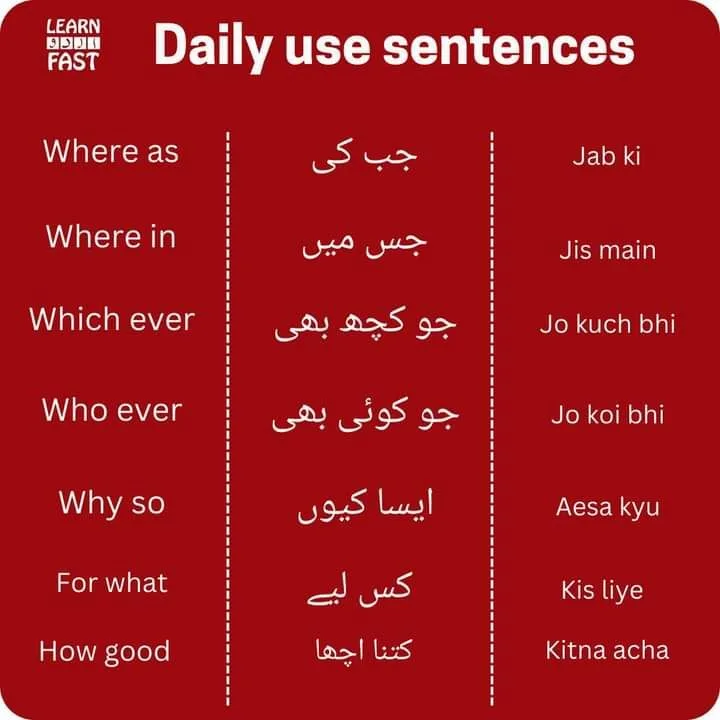
Functional Urdu conversation requires two things at once: the phrase itself, and the right register to deliver it in. Urdu culture, especially in its Pakistani and North Indian Muslim forms, is highly attentive to politeness levels, honorifics, and the social signalling embedded in word choice. A greeting in the wrong register can feel cold, over-familiar, or religiously marked when the speaker did not intend any of those.
This reference gives the essential phrases for daily life, arranged by function (greetings, farewells, apologies, requests, questions, shopping, directions, emergencies) and marked for register (formal, neutral, informal, religiously marked). It builds on Urdu Pronouns and Levels of Respect and Urdu Verb Conjugation: Tense and Aspect Reference, and is intended as the "survival Urdu" companion to the grammatical references.
Greetings
Assalam Alaikum (Peace Be Upon You)
اسلام علیکم (assalam alaikum) is the universal Muslim greeting, literally "Peace be upon you" in Arabic. In Pakistan and among South Asian Muslims, it is used nearly any time of day in almost any situation with anyone Muslim. The reply is وعلیکم السلام (wa alaikum assalam, "And peace be upon you").
Register: religious, neutral-to-formal, nearly universal in Pakistan.
Extended forms:
- اسلام علیکم ورحمۃ اللہ (assalam alaikum wa rahmatullah) - "peace and God's mercy"
- اسلام علیکم ورحمۃ اللہ وبرکاتہ (assalam alaikum wa rahmatullah wa barakatuhu) - "peace, God's mercy, and His blessings" (most complete, very formal)
Adaab (Greetings)
آداب (adaab) is a gesture-accompanied greeting from Mughal court culture. Pronounced while touching the right hand to the forehead, it is the traditional respectful greeting used especially in Urdu-speaking communities in India (Hyderabad, Lucknow, Delhi). It is neutral religiously and was the standard formal greeting before "assalam alaikum" became ubiquitous.
Register: formal, non-religious, traditional.
Namaste and Salaam
نمستے (namaste) and سلام (salaam) are informal greetings. Salaam is a shortened, casual form of assalam alaikum. Namaste is Hindu/secular, used in India but less so in Pakistan. Hello and Hi (in English) are also common in urban educated speech.
Greeting Examples with Full Exchange
Formal, Muslim:
- A: اسلام علیکم۔ کیسے ہیں آپ؟ (assalam alaikum. kaise hain aap? - "Peace be upon you. How are you?")
- B: وعلیکم السلام۔ الحمدللہ، ٹھیک ہوں۔ آپ سنائیں؟ (wa alaikum assalam. alhamdulillah, Theek hoon. aap sunaayein? - "And peace. Praise be to God, I'm fine. And you?")
Formal, non-religious:
- A: آداب۔ مزاج شریف؟ (adaab. mizaaj shareef? - "Greetings. How is your honorable self?")
- B: آداب۔ بس، اللہ کا شکر ہے۔ (adaab. bas, Allah ka shukr hai. - "Greetings. All is thanks to God.")
Casual, friends:
- A: اور بھئی، کیا حال ہے؟ (aur bhai, kya haal hai? - "Hey bro, what's up?")
- B: بس یار، چل رہی ہے۔ (bas yaar, chal rahi hai. - "Just getting by, mate.")
Time-of-Day Greetings
Not as common as assalam alaikum but used in some contexts, especially in media:
- صبح بخیر (subah bakhair, "good morning") - Persian origin, formal
- شام بخیر (shaam bakhair, "good evening") - Persian origin, formal
- شبِ بخیر (shab-e-bakhair, "good night") - Persian origin
- گڈ مارننگ (good morning, English loanword) - common in urban settings
Introductions
- میرا نام [Ali] ہے۔ mera naam [Ali] hai. (My name is Ali.)
- آپ کا نام کیا ہے؟ aap ka naam kya hai? (What is your name?)
- مجھے آپ سے مل کر خوشی ہوئی۔ mujhe aap se mil kar khushi hui. (It was a pleasure meeting you.)
- تشریف رکھیے۔ tashreef rakhiye. (Please have a seat. - very polite)
- بیٹھیے۔ baiThiye. (Please sit. - polite)
- آپ کہاں سے ہیں؟ aap kahaan se hain? (Where are you from?)
- میں [Lahore] سے ہوں۔ mein [Lahore] se hoon. (I am from Lahore.)
- آپ کیا کام کرتے ہیں؟ aap kya kaam karte hain? (What do you do for work?)
Farewells
| Phrase | Script | Register |
|---|---|---|
| khuda hafiz | خدا حافظ | Standard, "God be your protector," Persian |
| Allah hafiz | اللہ حافظ | Same, Arabic form, more recent in Pakistan |
| phir milenge | پھر ملیں گے | "We'll meet again," neutral |
| achha, chalta hoon | اچھا، چلتا ہوں | "OK, I'm off," casual |
| shab bakhair | شب بخیر | "Good night," formal |
| see you | سی یو | English, urban casual |
Pakistani society around 1985 saw a shift from "khuda hafiz" to "Allah hafiz" in some circles, reflecting Arabicising religious identity. Both are acceptable; older speakers and Indian Muslims tend toward "khuda hafiz."
Thanks and Apologies
Thanks
- شکریہ (shukriya) - Thank you, standard Persian
- بہت شکریہ (bahut shukriya) - Thank you very much
- جزاک اللہ (jazak Allah) - May God reward you, Arabic, religious register
- مہربانی (meherbani) - Kindness (of yours), as a thank-you
- آپ کی بڑی مہربانی ہے۔ (aap ki baRi meherbani hai. - "Your great kindness.")
Replies to Thanks
- کوئی بات نہیں۔ (koi baat nahi. - "No worries / It's nothing.")
- میری خوشی ہے۔ (meri khushi hai. - "My pleasure.")
- اس میں شکریہ کی کیا بات ہے۔ (is mein shukriya ki kya baat hai. - "No need to thank me.")
Apologies
- معاف کیجیے۔ (maaf kijiye. - "Please forgive me.")
- معذرت۔ (maazerat. - "Apologies.")
- سوری۔ (sorry. - English loan, very common)
- مجھے افسوس ہے۔ (mujhe afsos hai. - "I am sorry [regret].")
- غلطی ہو گئی۔ (ghalti ho gai. - "A mistake happened.")
Accepting Apologies
- کوئی بات نہیں۔ (koi baat nahi. - "It's nothing.")
- ٹھیک ہے۔ (Theek hai. - "It's OK.")
- چھوڑو اس بات کو۔ (chhoRo is baat ko. - "Let it go.")
Polite Requests
Polite requests use the aap-imperative (stem + iye) plus marker words like zara (a little), mehrabani kar ke (doing the kindness), or agar aap na bura maanein to (if you wouldn't mind).
- ذرا پانی دیجیے۔ (zara paani dijiye. - "Please pass the water.")
- مہربانی کر کے دروازہ بند کر دیں۔ (meherbani kar ke darwaza band kar dein. - "Kindly close the door.")
- اگر آپ مناسب سمجھیں تو... (agar aap munaasib samjhein to... - "If you think it appropriate...")
- کیا میں آپ سے ایک سوال کر سکتا ہوں؟ (kya mein aap se aik sawaal kar sakta hoon? - "May I ask you a question?")
- کیا آپ میری مدد کر سکتے ہیں؟ (kya aap meri madad kar sakte hain? - "Can you help me?")
Questions
Question words:
| Word | Script | Meaning |
|---|---|---|
| kya | کیا | what |
| kaun | کون | who |
| kab | کب | when |
| kahaan | کہاں | where |
| kyun | کیوں | why |
| kaise | کیسے | how |
| kitna/kitni | کتنا/کتنی | how much/many |
| kaun sa/kaun si | کون سا/کون سی | which |
Yes/no questions are formed by intonation alone (rising at the end) or by starting with "kya" used as a yes/no question marker.
- کیا آپ اردو بولتے ہیں؟ (kya aap urdu bolte hain? - "Do you speak Urdu?")
- آپ اردو بولتے ہیں؟ (aap urdu bolte hain? - "You speak Urdu?")
- آپ کا نام کیا ہے؟ (aap ka naam kya hai? - "What is your name?")
- آپ کی عمر کتنی ہے؟ (aap ki umar kitni hai? - "How old are you?")
- آپ کہاں رہتے ہیں؟ (aap kahaan rehte hain? - "Where do you live?")
- آپ کیا کر رہے ہیں؟ (aap kya kar rahe hain? - "What are you doing?")
- یہ کیا ہے؟ (yeh kya hai? - "What is this?")
- یہ کتنے کا ہے؟ (yeh kitne ka hai? - "How much is this?")
- میں یہاں سے کہاں جاؤں؟ (mein yahan se kahaan jaaoon? - "Where do I go from here?")
- کیا آپ انگریزی بولتے ہیں؟ (kya aap angrezi bolte hain? - "Do you speak English?")
Shopping
Urdu shopping phrases are among the most practical for travellers.
Asking Prices
- کتنے کا ہے؟ (kitne ka hai? - "How much is it?")
- اس کی قیمت کیا ہے؟ (is ki qeemat kya hai? - "What is its price?")
- یہ بہت مہنگا ہے۔ (yeh bahut mehenga hai. - "This is very expensive.")
- کچھ کم کیجیے۔ (kuch kam kijiye. - "Make it a bit less.")
- آخری قیمت کیا ہے؟ (aakhri qeemat kya hai? - "What is the final price?")
Bargaining
- دو سو دو گے؟ (do sau do ge? - "Will you give it for 200?" [bargaining])
- نہیں، کم از کم تین سو۔ (nahi, kam az kam teen sau. - "No, at least 300.")
- چلو، دو سو پچاس۔ (chalo, do sau pachaas. - "OK, 250.")
Essential Shopping Vocabulary
| English | Urdu | Script |
|---|---|---|
| shop | dukaan | دکان |
| shopkeeper | dukaandaar | دکاندار |
| price | qeemat / daam | قیمت / دام |
| expensive | mehenga | مہنگا |
| cheap | sasta | سستا |
| to buy | khareedna | خریدنا |
| to sell | bechna | بیچنا |
| change (money) | chootee / bachi hui raqam | چوٹی |
| receipt | raseed | رسید |
Directions
- مجھے [Mall Road] جانا ہے۔ (mujhe [Mall Road] jaana hai. - "I need to go to Mall Road.")
- یہ راستہ [Data Darbar] جاتا ہے؟ (yeh raasta [Data Darbar] jaata hai? - "Does this road go to Data Darbar?")
- سیدھے چلے جائیں۔ (seedhe chale jaayein. - "Go straight.")
- دائیں مڑیں۔ (daaein muRein. - "Turn right.")
- بائیں مڑیں۔ (baaein muRein. - "Turn left.")
- یہاں رکیں۔ (yahaan rukein. - "Stop here.")
- [ہوٹل] کہاں ہے؟ (hotel kahaan hai? - "Where is the hotel?")
Direction Vocabulary
| English | Urdu | Script |
|---|---|---|
| right | daaein | دائیں |
| left | baaein | بائیں |
| straight | seedha | سیدھا |
| ahead | aage | آگے |
| behind | peechhe | پیچھے |
| near | qareeb / paas | قریب / پاس |
| far | door | دور |
| here | yahaan | یہاں |
| there | wahaan | وہاں |
Food and Restaurants
- مجھے منو دیجیے۔ (mujhe menu dijiye. - "Give me the menu.")
- یہ ڈش کیا ہے؟ (yeh dish kya hai? - "What is this dish?")
- مجھے [biryani] چاہیے۔ (mujhe biryani chahiye. - "I want biryani.")
- تیز نہیں، مرچیں کم۔ (tez nahi, mirchein kam. - "Not spicy, less chili.")
- بل لائیں۔ (bill laayein. - "Bring the bill.")
- کھانا بہت اچھا تھا۔ (khaana bahut achha tha. - "The food was very good.")
Food Vocabulary
| English | Urdu | Script |
|---|---|---|
| food | khaana | کھانا |
| water | paani | پانی |
| tea | chai | چائے |
| bread | roti | روٹی |
| rice | chawal | چاول |
| meat | gosht | گوشت |
| vegetable | sabzi | سبزی |
| sweet | meeTha | میٹھا |
| salty | namkeen | نمکین |
| spicy | tez / masaledaar | تیز / مصالحے دار |
Emergencies
- مدد! (madad! - "Help!")
- ڈاکٹر بلائیں۔ (doctor bulaayein. - "Call a doctor.")
- پولیس۔ (police. - "Police.")
- میں بیمار ہوں۔ (mein bimaar hoon. - "I am sick.")
- مجھے ایمرجنسی ہے۔ (mujhe emergency hai. - "I have an emergency.")
- میرا پاسپورٹ کھو گیا ہے۔ (mera passport kho gaya hai. - "My passport is lost.")
- کہاں ہسپتال ہے؟ (kahaan haspatal hai? - "Where is the hospital?")
Phone and Internet
- ہیلو، کون بول رہا ہے؟ (hello, kaun bol raha hai? - "Hello, who is speaking?")
- میں [Ahmed] بول رہا ہوں۔ (mein [Ahmed] bol raha hoon. - "This is Ahmed speaking.")
- کیا آپ نیٹ ورک کی سگنل چیک کر سکتے ہیں؟ (kya aap network ki signal check kar sakte hain? - "Can you check the network signal?")
- وائی فائی کا پاس ورڈ کیا ہے؟ (WiFi ka password kya hai? - "What is the WiFi password?")
- انٹرنیٹ بہت سست ہے۔ (internet bahut sust hai. - "The internet is very slow.")
Idiomatic and Emotional Expressions
- ان شاء اللہ (insha Allah) - God willing (used for future events)
- ما شاء اللہ (masha Allah) - What God willed (used when seeing something beautiful or praising)
- الحمدللہ (alhamdulillah) - Praise God (used when things go well)
- استغفار (astaghfar) - God forgive me (used in shock)
- توبہ (tauba) - Repent (used as mild exclamation)
- واہ! (wah! - "Wow!")
- لا جواب! (la jawaab! - "No reply [nothing compares]!")
- کمال ہے! (kamaal hai! - "It's amazing!")
- بہت خوب! (bahut khoob! - "Very good!")
These religiously-marked expressions are used by Muslim speakers regularly in daily speech regardless of the literal religious meaning. Non-Muslims may or may not use them depending on personal comfort.
Common Mistakes
Using "tu" forms in daily life. See Urdu Pronouns and Levels of Respect. Default to aap with any stranger.
Literal translation of "hello" and "goodbye". Urdu does not have an exact equivalent of neutral "hello"; use assalam alaikum, adaab, or the English loanword. Similarly, "khuda hafiz" / "Allah hafiz" is the standard goodbye.
Over-using masha Allah as a literal religious phrase. In daily Urdu it functions like "wow" or "beautiful" and is expected when seeing something lovely (a child, a garden, a car). Not saying it can imply envy or ill will.
Reversing ko and se. "Bring it to me" uses ko (mujhe / mujh ko). "Take it from me" uses se (mujh se). Learners sometimes swap these.
Wrong imperative level. Saying "aao" (tum form) to an elder shopkeeper is impolite. Use "aaiye" (aap form).
Using gender-wrong verbs when speaker is female. "Mein ja raha hoon" is masculine; a female speaker must say "mein ja rahi hoon." Forgetting this reveals English native-speaker interference.
Confusing dental and retroflex consonants. Pronouncing dental ت (t) in words like tera (تیرا, "your") with an English alveolar/retroflex-like T, or confusing minimal pairs like taal (تال, rhythm - dental ت) and ṭaal (ٹال, postpone - retroflex ٹ), can change meaning or sound unnatural. Learn to pronounce retroflex ٹ ڈ ڑ distinctly from dental ت د ر.
Quick Reference
- Greeting (formal Muslim): assalam alaikum / reply: wa alaikum assalam
- Greeting (formal non-religious): adaab
- Greeting (casual): salaam / hi / hello
- Farewell: khuda hafiz / Allah hafiz
- Thanks: shukriya, bahut shukriya, jazak Allah (religious)
- Apology: maaf kijiye, maazerat, sorry (casual)
- Basic exclamations: masha Allah, insha Allah, alhamdulillah
- Pronoun default for strangers: aap
- Imperative for aap: stem + iye (kijiye, dijiye, aaiye, bataiye)
- Price ask: kitne ka hai?
- Directions: daaein (right), baaein (left), seedha (straight)
See Also
- Urdu Pronouns and Levels of Respect
- Urdu Verb Conjugation: Tense and Aspect Reference
- Urdu Grammar: Cases, Gender, and the Ergative
- Urdu Numbers and Counting 1 to 1000 Reference
- Urdu Persian and Arabic Loanwords Vocabulary
- Urdu Alphabet and Nasta'liq Script: Complete Guide
- Urdu in Pakistan, India, and the Diaspora
- Pronunciation and Phonology Comparison for English Native Speakers
Frequently asked questions
Is assalam alaikum only for Muslims?
It is an Islamic greeting but is used universally in Pakistan and by Muslims worldwide. Non Muslims in Pakistan commonly use it as politeness. In India, non Muslims more often use namaste or English greetings.
Why do Urdu speakers switch between khuda hafiz and Allah hafiz?
Khuda hafiz is the older Persian derived formula. Allah hafiz substitutes the Arabic name of God. The shift toward Allah hafiz in Pakistan since the 1980s reflects broader Arabicisation. Both are correct; older speakers often prefer khuda hafiz.
How do I ask someone's name politely?
Aap ka naam kya hai is the standard polite form. For very formal contexts use tashreef ka asm e girami. For casual settings with friends, just naam kya hai or tumhara naam.
Do I need to use Urdu for thanks or can I say thank you?
Thank you is widely accepted in urban educated Pakistan and Indian Urdu contexts. Shukriya is always appropriate and warmer. Use English in business settings; use Urdu in personal and friendly ones.
What is the most common mistake tourists make?
Defaulting to tu or tum with strangers. Always start with aap. Second is pronouncing retroflex and aspirated sounds incorrectly. Third is wrong gender agreement on verbs when the speaker is female.
How do I express polite disagreement?
Use mein maazerat chahta hoon lekin (I beg your pardon but) or aap ki baat durust hai magar (your point is correct but). Direct disagreement like galat hai or nahi is perceived as rude unless among close friends.
When should I use Arabic phrases like insha Allah?
Insha Allah is ubiquitous for any future event in Muslim Urdu speech. It functions like hopefully. Masha Allah is used for admiration. Non Muslims in Pakistan often use these; in India they are more marked.