Medical vocabulary matters from the first day of language learning. A traveler who can describe a headache, a tourist who can name an injured limb, or a long-term resident who needs to explain chronic conditions all benefit from fluent body-part and clinical vocabulary. This reference collects the terms for anatomy, symptoms, illnesses, medications, and the key phrases for navigating doctors, pharmacies, and hospitals in the Arab world.
Arabic medical terminology draws on two sources. The native Arabic lexicon, reaching back to pre-Islamic medicine and enriched by the great translation movement of 9th-century Baghdad, supplies the standard vocabulary: طَبِيب (doctor), دَوَاء (medicine), مُسْتَشْفَى (hospital).
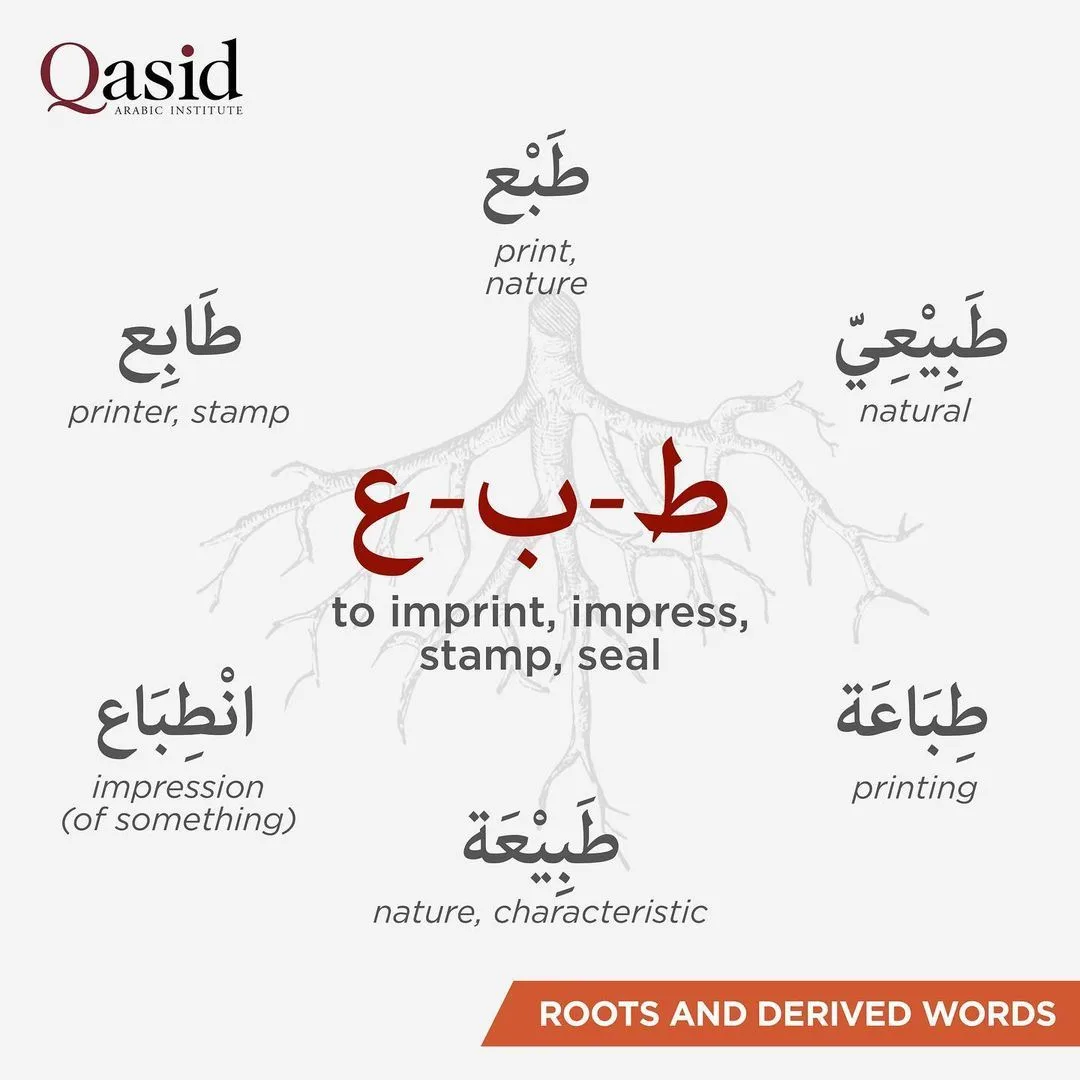
Modern clinical and scientific terms are often phonetic adaptations from Latin and Greek via French and English: الفَيْرُوس (virus), البَكْتِيرْيَا (bacteria), الهُرْمُون (hormone). Both layers coexist in medical Arabic, and educated speakers move between them freely. For the root patterns that shape many medical nouns, see the Arabic root system reference.
Head and Face
Table 1. Head and face vocabulary.
| Arabic | Transliteration | English |
|---|---|---|
| رَأْس | ra's | Head |
| وَجْه | wajh | Face |
| جَبْهَة / جَبِين | jabha / jabīn | Forehead |
| شَعْر | shaʿr | Hair |
| أُذُن | udhun | Ear |
| عَيْن | ʿayn | Eye |
| أَنْف | anf | Nose |
| فَم | fam | Mouth |
| شَفَة | shafa | Lip |
| لِسَان | lisān | Tongue |
| سِنّ / أَسْنَان | sinn / asnān | Tooth / teeth |
| خَدّ | khadd | Cheek |
| ذَقْن / لِحْيَة | dhaqn / liḥya | Chin / beard |
| رَقَبَة / عُنُق | raqaba / ʿunuq | Neck |
| حَنْجَرَة / حَلْق | ḥanjara / ḥalq | Throat |
The word عَيْن (ʿayn) is one of Arabic's most versatile nouns: it means eye, spring (water source), essence, spy, and is the name of the letter ع. Context tells you which. In medical context it is always eye. Note that عين is feminine.
Torso and Limbs
Table 2. Body and limbs.
| Arabic | Transliteration | English |
|---|---|---|
| كَتِف | katif | Shoulder |
| ذِرَاع | dhirāʿ | Arm |
| مِرْفَق / كُوع | mirfaq / kūʿ | Elbow |
| يَد | yad | Hand |
| أَصَابِع | aṣābiʿ | Fingers |
| إِصْبَع | iṣbaʿ | Finger |
| ظُفْر / أَظَافِر | ẓufr / aẓāfir | Nail / nails |
| رَاحَة اليَد | rāḥat al-yad | Palm |
| مَعْصَم | miʿṣam | Wrist |
| ظَهْر | ẓahr | Back |
| صَدْر | ṣadr | Chest |
| بَطْن | baṭn | Stomach, belly |
| سُرَّة | surra | Navel |
| خَصْر | khaṣr | Waist |
| وَرِك | warik | Hip |
| رِجْل / سَاق | rijl / sāq | Leg / lower leg |
| فَخْذ | fakhdh | Thigh |
| رُكْبَة | rukba | Knee |
| كَاحِل | kāḥil | Ankle |
| قَدَم | qadam | Foot |
| كَعْب | kaʿb | Heel |
Note: يَد, عَيْن, أُذُن, قَدَم, رِجْل are all feminine (as most paired body parts are). This matters for verb and adjective agreement.
Internal Organs
Table 3. Internal anatomy.
| Arabic | Transliteration | English |
|---|---|---|
| قَلْب | qalb | Heart |
| دِمَاغ / مُخّ | dimāgh / mukhkh | Brain |
| رِئَة | ri'a | Lung |
| كَبِد | kabid | Liver |
| مَعِدَة | maʿida | Stomach |
| كُلْيَة | kulya | Kidney |
| أَمْعَاء | amʿā' | Intestines |
| مَثَانَة | mathāna | Bladder |
| عَظْم / عِظَام | ʿaẓm / ʿiẓām | Bone / bones |
| عَضَلَة | ʿaḍala | Muscle |
| جِلْد / بَشَرَة | jild / bashara | Skin |
| عَصَب / أَعْصَاب | ʿaṣab / aʿṣāb | Nerve / nerves |
| وَرِيد | warīd | Vein |
| شِرْيَان | shiryān | Artery |
| دَم | dam | Blood |
| عُضْو | ʿuḍw | Organ (body member) |
The word قَلْب (qalb) means both heart (physical) and heart (emotional center), as in English. Its root ق-ل-ب also forms the verb قَلَبَ (qalaba, to turn over), yielding the sense of the heart as what "turns" in emotion.
Classical Arab physicians prized precision of terminology: each body part, symptom, and remedy needed a distinct name for accurate diagnosis and treatment. Classical Arabic medicine prided itself on precision of terminology, and this heritage continues in modern medical Arabic.
Symptoms and Pain
Table 4. Common symptoms.
| Arabic | Transliteration | English |
|---|---|---|
| أَلَم | alam | Pain |
| وَجَع | wajaʿ | Ache, pain (colloquial) |
| صُدَاع | ṣudāʿ | Headache |
| حَرَارَة / حُمَّى | ḥarāra / ḥummā | Fever |
| سُعَال | suʿāl | Cough |
| زُكَام / رَشْح | zukām / rashḥ | Cold |
| إِنْفْلُوَنْزَا | influwanzā | Flu |
| دُوَار / دَوْخَة | duwār / dawkha | Dizziness |
| غَثَيَان | ghathayān | Nausea |
| قَيْء | qay' | Vomiting |
| إِسْهَال | ishāl | Diarrhea |
| إِمْسَاك | imsāk | Constipation |
| طَفَح جِلْدِيّ | ṭafaḥ jildī | Rash |
| حَكَّة | ḥakka | Itch |
| تَوَرُّم | tawarrum | Swelling |
| نَزْف | nazf | Bleeding |
| كَسْر | kasr | Fracture |
| جُرْح | jurḥ | Wound |
| حَرْق | ḥarq | Burn |
| تَعَب / إِرْهَاق | taʿab / irhāq | Fatigue |
| أَرَق | araq | Insomnia |
Describing pain location
- يُؤْلِمُنِي رَأْسِي yu'limunī ra'sī. My head hurts.
- عِنْدِي أَلَم فِي بَطْنِي ʿindī alam fī baṭnī. I have pain in my stomach.
- يَجِعُنِي ظَهْرِي yajiʿunī ẓahrī. My back aches.
- أَشْعُرُ بِالدَّوَار ashʿuru bi-d-duwār. I feel dizzy.
- لَا أَسْتَطِيعُ النَّوْم lā astaṭīʿu n-nawm. I cannot sleep.
Common Illnesses
Table 5. Diseases and conditions.
| Arabic | Transliteration | English |
|---|---|---|
| مَرَض | maraḍ | Illness, disease |
| عَدْوَى | ʿadwā | Infection |
| اِلْتِهَاب | iltihāb | Inflammation |
| حَسَاسِيَّة | ḥasāsiyya | Allergy |
| رَبْو | rabw | Asthma |
| سُكَّرِيّ / دَاء السُّكَّرِيّ | sukkarī / dā' as-sukkarī | Diabetes |
| ضَغْط الدَّم | ḍaght ad-dam | Blood pressure |
| نَوْبَة قَلْبِيَّة | nawba qalbiyya | Heart attack |
| سَرَطَان | saraṭān | Cancer |
| صُدَاع نِصْفِيّ | ṣudāʿ niṣfī | Migraine |
| كَرُونَا / كُوفِيد | karūnā / kūfīd | Corona / COVID |
| سَلّ / دَرَن | sull / daran | Tuberculosis |
| فِيرُوس | fīrūs | Virus |
| بَكْتِيرْيَا | baktīryā | Bacteria |
Medical Professions and Places
Table 6. Doctors, hospitals, and pharmacies.
| Arabic | Transliteration | English |
|---|---|---|
| طَبِيب / أَطِبَّاء | ṭabīb / aṭibbā' | Doctor / doctors |
| دُكْتُور | duktūr | Doctor (colloquial / title) |
| طَبِيب عَامّ | ṭabīb ʿāmm | General practitioner |
| اِخْتِصَاصِيّ | ikhtiṣāṣī | Specialist |
| جَرَّاح | jarrāḥ | Surgeon |
| طَبِيب أَسْنَان | ṭabīb asnān | Dentist |
| طَبِيب عُيُون | ṭabīb ʿuyūn | Eye doctor |
| طَبِيب أَطْفَال | ṭabīb aṭfāl | Pediatrician |
| طَبِيب نِسَاء | ṭabīb nisā' | Gynecologist |
| مُمَرِّض / مُمَرِّضَة | mumarriḍ / mumarriḍa | Nurse (m/f) |
| صَيْدَلِيّ | ṣaydalī | Pharmacist |
| مُسْتَشْفَى | mustashfā | Hospital |
| عِيَادَة | ʿiyāda | Clinic |
| صَيْدَلِيَّة | ṣaydaliyya | Pharmacy |
| مَخْبَر / مُخْتَبَر | makhbar / mukhtabar | Laboratory |
| طَوَارِئ / إِسْعَاف | ṭawāri' / isʿāf | Emergency / ambulance |
| غُرْفَة العَمَلِيَّات | ghurfat al-ʿamaliyyāt | Operating room |
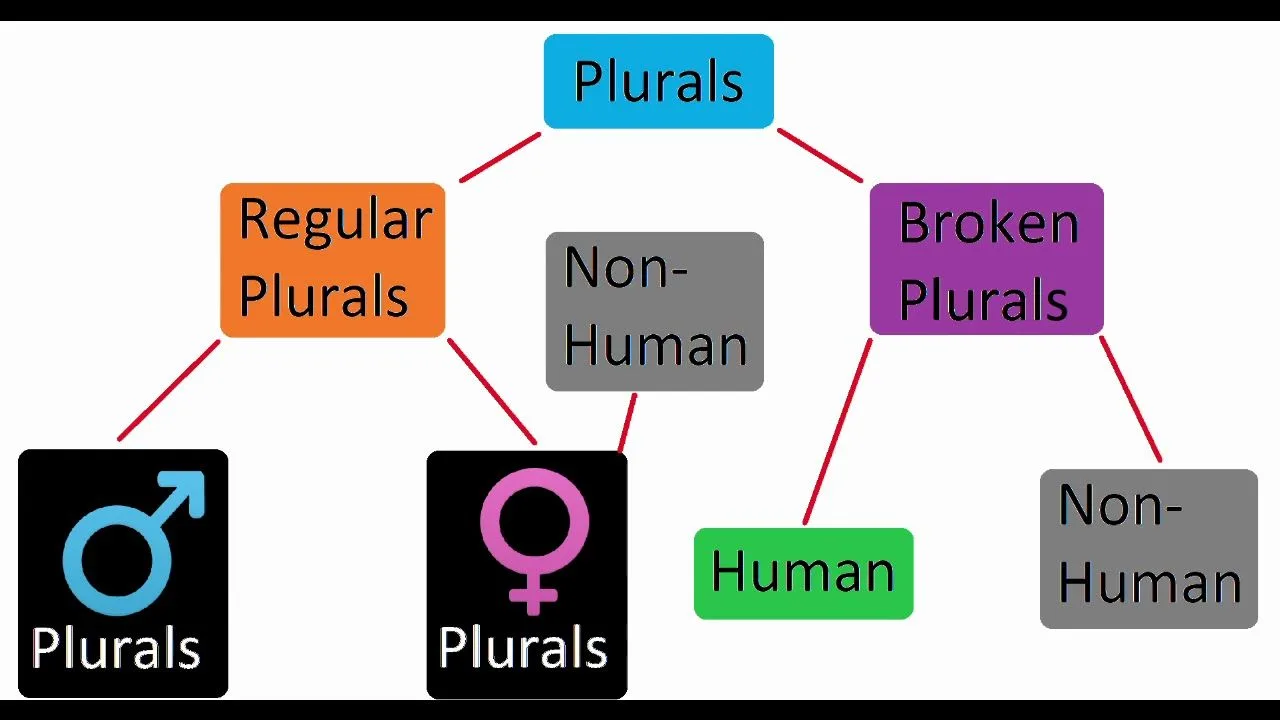
The plural أَطِبَّاء (aṭibbā') follows the أَفْعِلَاء (afʿilā') broken-plural pattern, common for nouns on فَعِيل. See the Arabic broken plurals reference for the systematic patterns.
Medications and Treatment
Table 7. Medication and treatment vocabulary.
| Arabic | Transliteration | English |
|---|---|---|
| دَوَاء / أَدْوِيَة | dawā' / adwiya | Medicine / medicines |
| عِلَاج | ʿilāj | Treatment |
| وَصْفَة طِبِّيَّة | waṣfa ṭibbiyya | Prescription |
| حَبَّة / حُبُوب | ḥabba / ḥubūb | Pill / pills |
| قُرْص | qurṣ | Tablet |
| حُقْنَة | ḥuqna | Injection |
| مُسَكِّن | musakkin | Painkiller |
| مُضَادّ حَيَوِيّ | muḍādd ḥayawī | Antibiotic |
| مَرْهَم | marham | Ointment |
| شَرَاب | sharāb | Syrup (medicine) |
| قَطْرَة | qaṭra | Drops (eye/ear) |
| عَمَلِيَّة | ʿamaliyya | Operation, surgery |
| تَخْدِير | takhdīr | Anesthesia |
| جَلْسَة | jalsa | Session (therapy) |
| فَحْص | faḥṣ | Examination, test |
| تَحْلِيل | taḥlīl | Analysis, lab test |
| أَشِعَّة | ashiʿʿa | X-rays |
| مِيعَاد | mīʿād | Appointment |
| فَحْص الدَّم | faḥṣ ad-dam | Blood test |
| تَطْعِيم / لِقَاح | taṭʿīm / liqāḥ | Vaccination |
Doctor-visit sentences
- عِنْدِي مِيعَادٌ مَعَ الدُّكْتُورِ ʿindī mīʿādun maʿa d-duktūr. I have an appointment with the doctor.
- أُرِيدُ حَجْزَ مِيعَادٍ urīdu ḥajza mīʿādin. I want to book an appointment.
- مَا هُوَ التَّشْخِيصُ؟ mā huwa t-tashkhīṣu? What is the diagnosis?
- هَلْ تَحْتَاجُ فَحْصَ دَم؟ hal taḥtāju faḥṣa dam? Do you need a blood test?
- أَنَا حَسَّاسٌ مِن... anā ḥassāsun min... I am allergic to...
- آخُذُ هَذَا الدَّوَاءَ يَوْمِيًّا ākhudhu hādhā d-dawā'a yawmiyyan. I take this medicine daily.
- كَيْفَ آخُذُ هَذَا الدَّوَاءَ؟ kayfa ākhudhu hādhā d-dawā'? How do I take this medicine?
At the Pharmacy
Classical Arab pharmacy (الصَّيْدَلَة aṣ-ṣaydala) dates to at least the 9th century, with the first pharmacies opening in Baghdad around 754 CE and becoming state-regulated by the 9th century. The word صيدلية itself enters many Mediterranean languages through Arabic via medieval Spain. This long history shapes the modern pharmacy experience in Arab countries, where pharmacists often advise on dosage and even diagnose common complaints without a doctor's visit.
Useful pharmacy phrases
- هَلْ عِنْدَكَ دَوَاءٌ لِلصُّدَاعِ؟ hal ʿindaka dawā'un li-ṣ-ṣudāʿ? Do you have medicine for a headache?
- أَحْتَاجُ مُضَادًّا حَيَوِيًّا aḥtāju muḍāddan ḥayawiyyan. I need an antibiotic.
- هَلْ يَحْتَاجُ هَذَا الدَّوَاءُ وَصْفَةً؟ hal yaḥtāju hādhā d-dawā'u waṣfa? Does this medicine require a prescription?
- كَمِ الجُرْعَةُ؟ kam il-jurʿa? How much is the dose?
- مَرَّتَيْنِ يَوْمِيًّا marratayni yawmiyyan. Twice daily.
- قَبْلَ / بَعْدَ الأَكْلِ qabla / baʿda l-akli. Before / after eating.
- مَا هِيَ الأَعْرَاضُ الجَانِبِيَّةُ؟ mā hiya l-aʿrāḍu l-jānibiyya? What are the side effects?
Emergency Phrases
In a medical emergency, the following phrases are critical:
- النَّجْدَةُ! an-najda! Help!
- اِتَّصِلْ بِالإِسْعَافِ! ittaṣil bi-l-isʿāf! Call the ambulance!
- هُنَاكَ حَادِثٌ hunāka ḥādith. There is an accident.
- إِنَّهُ يَحْتَاجُ طَبِيبًا فَوْرًا innahu yaḥtāju ṭabīban fawran. He needs a doctor immediately.
- أَنَا حَامِلٌ anā ḥāmil. I am pregnant.
- أَشْعُرُ بِأَلَمٍ فِي صَدْرِي ashʿuru bi-alamin fī ṣadrī. I feel pain in my chest.
- لَا أَسْتَطِيعُ التَّنَفُّسَ lā astaṭīʿu t-tanaffus. I cannot breathe.
- أَنَا أَفْقِدُ الوَعْيَ anā afqidu l-waʿya. I am losing consciousness.
- هَذَا الشَّخْصُ فَاقِدُ الوَعْيِ hādhā sh-shakhṣu fāqidu l-waʿy. This person is unconscious.
Common Mistakes English Speakers Make
Assuming all body parts are masculine. Many paired body parts (hand, eye, ear, foot, leg) are feminine despite not having tā' marbūṭa. Using masculine agreement sounds uneducated to a doctor or pharmacist.
Confusing dawā' and ʿilāj. Dawā' is a specific medicine. ʿIlāj is treatment in general. A pharmacist sells adwiya (medicines); a doctor prescribes ʿilāj (treatment).
Using colloquial wajaʿ in a clinical setting. Wajaʿ is everyday pain language. In medical forms and serious consultation, alam is preferred.
Translating "I have a cold" as عِنْدِي بَرْد. Bard means cold (temperature). The illness is called زُكَام or رَشْح. عِنْدِي زُكَام is correct.
Asking for medications by brand name. Brand names vary by country. Ask by function: "I need medicine for..." (أحتاج دواء لـ...). The pharmacist will suggest the local equivalent.
Omitting gender in pain reports. Saying عِنْدِي أَلَم is complete but generic. Specific "I have a pain in my head" is عِنْدِي أَلَم فِي رَأْسِي with the fī preposition and definite body part.
Quick Reference
- Head: رَأْس ra's. Heart: قَلْب qalb. Stomach: بَطْن / مَعِدَة.
- Hand: يَد yad. Foot: قَدَم qadam.
- Doctor: طَبِيب ṭabīb. Hospital: مُسْتَشْفَى mustashfā.
- Medicine: دَوَاء dawā'. Treatment: عِلَاج ʿilāj.
- Fever: حَرَارَة / حُمَّى. Headache: صُدَاع ṣudāʿ.
- Pain: أَلَم alam. Help: النَّجْدَة an-najda.
See Also
- Arabic common phrases daily conversation reference
- Arabic travel phrases tourist guide reference
- Arabic root system trilateral roots word formation reference
- Arabic broken plurals irregular plural patterns reference
- Arabic grammar rules complete beginners guide
- Arabic colors adjectives descriptions reference
- Arabic pronouns attached detached complete reference
- Arabic verb conjugation present past tense guide
Author: Kalenux Team
Frequently asked questions
Are many body-part nouns feminine in Arabic?
Yes, and unpredictably. Paired body parts (يد hand, عين eye, أذن ear, رِجْل leg, قدم foot) are typically feminine. Single organs vary: قَلْب (heart) is masculine, معدة (stomach) is feminine, رَأْس (head) is masculine. Memorize the gender with each word, especially for medical conversation.
Why does طبيب have multiple plurals?
طبيب (ṭabīb, doctor) takes the broken plural أطباء (aṭibbā’). This is an أَفْعِلَاء (afʿilā’) pattern, common for nouns on فَعِيل such as صديق → أصدقاء (friends) and نبي → أنبياء (prophets). Broken plurals are covered more fully in the Arabic broken plurals reference.
What does حَرَارَة mean medically vs everyday?
حَرَارَة (ḥarāra) literally means heat or temperature. Medically it means fever: عِنْدِي حَرَارَة (ʿindī ḥarāra, I have a fever). More specifically, حُمَّى (ḥummā) is a medical term for fever as a disease state.
How do I describe pain location in Arabic?
Use يؤلمني (yu’limunī, it pains me) + body part, or عندي ألم في (ʿindī alam fī, I have pain in) + body part. Example: يؤلمني رأسي (my head hurts), عندي ألم في بطني (I have stomach pain).
Are Arabic medical terms derived from Greek like English ones?
Classical Arabic medicine has native terms (طبيب doctor, دواء medicine) plus many calques from Greek via translation movements in 9th-century Baghdad. Modern clinical terminology often uses Latin and Greek roots adapted phonetically: الفيروس (virus), البكتيريا (bacteria), الجراحة (al-jirāḥa, surgery, native Arabic root).
What is the difference between دواء and عِلَاج?
دَوَاء (dawā’) is a medicine, a specific substance taken as a cure. عِلَاج (ʿilāj) is treatment or therapy, the broader concept including medicines, procedures, surgery, and physical therapy. دواء is a subset of علاج.
How do I ask for a specific medication at a pharmacy?
Say هل عندكم (hal ʿindakum, do you have) + medication name, or أحتاج دواء لـ (aḥtāju dawā’an li-, I need medicine for) + symptom. Example: أحتاج دواء للصداع (I need medicine for a headache).
Are body-part nouns feminine in Arabic?
Many paired body parts are (hand, eye, ear, foot). Others vary.
How do I describe pain location?
Use يؤلمني + body part, or عندي ألم في + body part.
Are Arabic medical terms from Greek?
Native Arabic terms (طبيب, دواء) plus Greek calques from 9th-century translations, plus modern Latin/Greek phonetic adaptations.
Difference between دواء and علاج?
Dawā' is a specific medicine; ʿilāj is the broader concept of treatment.
How do I ask for medication?
هل عندكم + name, or أحتاج دواء لـ + symptom.